
Repression in Iran’s Protests: Between the State’s Narrative and the Reality on the Ground
As popular protests in Iran enter their twentieth day, government repression has escalated to unprecedented levels amid growing internal tensions and mounting external pressure, leaving the movement’s future uncertain and open to all possibilities.
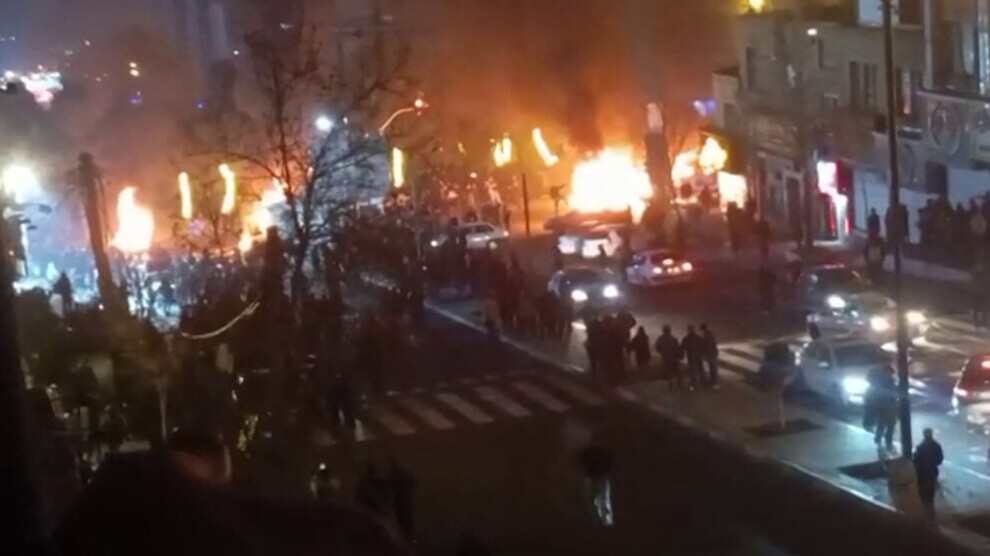
News Center_popular portests in Iran, now entering their third week, have moved into a more violent phase amid escalating security repression and a nationwide internet shutdown.
On the twentieth day of nationwide protests, human rights organizations have described the unrest as one of the most violent waves Iran has seen in decades, with government repression reaching unprecedented levels.
While Iranian authorities have issued no official statement on the number of dead or injured, sudden raids on protesters’ homes,neighborhoods,and workplaces continue.
In a scene reflecting the scale of the humanitarian disaster,Behesht Zahre morgue in Tehran has begun identifying unidentified victims’ bodies using biometric devices, as grieving families stand in long lines awaiting news of their loved ones revealing the immense social cost of state repression.
Live Fire
In a further escalation of bloody repression in Eastern Kurdistan, the Kurdistan Human Rights Network reported that 45 Kurdish civilians were killed during protests spanning several provinces, including women and children.
Human rights reports confirmed that Iranian authorities, through security forces and the Revolutionary Guard, resorted to live fire and mass arrests, imposed heavy fines on families to retrieve victims’ bodies, and even abducted doctors treating the wounded.
Meanwhile, several female protesters were killed by security forces, becoming symbols of a young generation demanding freedom and equality.
Severe restrictions on communications and internet services have made it impossible to determine the true number of victims, though available evidence points to ongoing systematic killings.
Authorities, meanwhile, described events as part of a “political and security war,” with state media portraying protests as terrorism and demonstrators as rioters to legitimize violence.
A Women’s Call
More than 500 Iranian feminist activists in the diaspora issued a statement warning of mass killings and calling for global feminist and civil solidarity with the Iranian people.
The statement stressed that the protests are an extension of long-standing demands for justice, freedom, and independence, calling for a democratic, secular, and gender-equal future for Iran.
Signatories warned against ignoring protesters’ voices, affirming that “Jin, Jiyan, Azadî” remains alive and rooted in an inclusive, anti-discriminatory vision.
International Warnings
During an emergency UN Security Council session, members warned of further sanctions and called for the immediate release of detainees and a halt to executions.
Calls to refer the case to the International Criminal Court represent a true test of international will; empty statements will only signal impunity for state violence.
Amnesty International previously warned of “unprecedented massacres,” citing credible evidence and urging Iranian authorities to halt unlawful use of firearms and restore full internet access.