
Protests in Iran Enter Their Fourteenth Day Amid Bloody Crackdown and Communications Blackout
Despite severe restrictions, protesters filled streets in Tehran, Mashhad, Tabriz, and Qom, chanting anti-regime slogans, as rights groups reported dozens killed or injured, warning of systematic efforts to intimidate peaceful demonstrators.
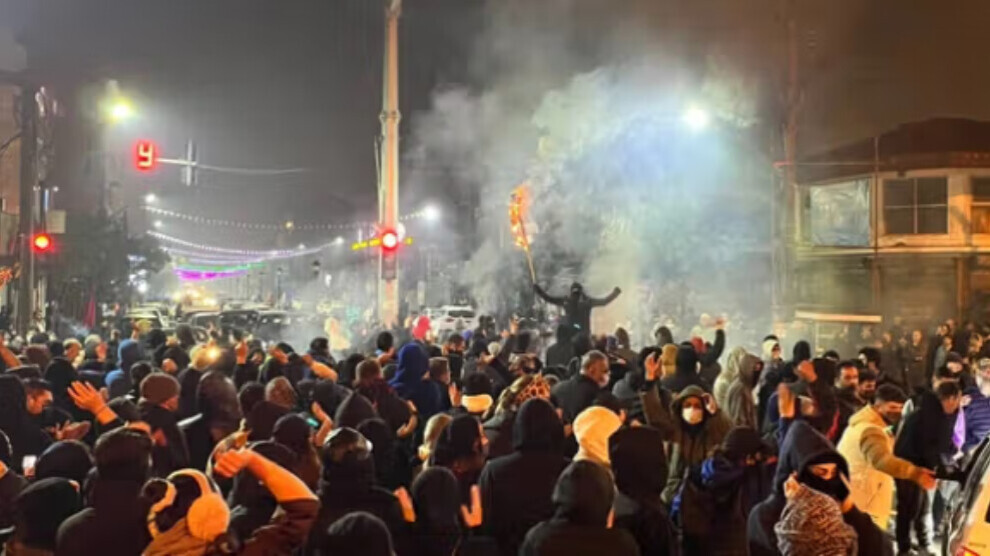
News Center — Protests in Iran have entered their fourteenth day amid a near-total shutdown of communications and internet services, raising widespread concern among Iranians.
On the evening of Friday, January 9, demonstrations erupted again in several Iranian cities, including Tehran, Mashhad, Tabriz, and Qom, despite the continued nationwide internet blackout.
Verified footage showed crowds filling the streets of the capital, chanting slogans hostile to the regime, including “Death to Khamenei.” Some protesters banged pots and pans or honked car horns to express their rejection of the authorities.
According to human rights reports, the security crackdown since the protests began on December 28 has resulted in the killing of at least 51 people, including children, and the injury of hundreds more, some critically. Many injuries were caused by metal pellet shots aimed at the eyes and heads.
International organizations, including Amnesty International and Human Rights Watch, condemned the use of lethal force against protesters, stating that Iranian authorities are pursuing a systematic policy to “intimidate and punish” peaceful demonstrators. These organizations urged the international community to denounce the violations and take urgent action to halt the bloodshed and ensure accountability.
Human rights groups also documented widespread and arbitrary arrests, including minors under the age of 14, amid fears of torture and enforced disappearance. Iranian Nobel Peace Prize laureate Shirin Ebadi warned of the possibility of a “massacre” by security forces amid the communications blackout, stressing that cutting off the internet is a deliberate tactic to conceal repression.
Social media users described the situation in Iran and East Kurdistan as “worse than the 12-day war,” noting that the shutdown has made communication with family and friends nearly impossible, intensifying fear and anxiety.
Human rights experts affirmed that cutting off internet access constitutes a clear violation of fundamental rights, as it deprives citizens of freedom of expression, access to information, and political participation. Article 19 of the International Covenant on Civil and Political Rights guarantees every individual the right to seek, receive, and impart information “through any media,” including the internet.
In a related development, five women’s organizations in East Kurdistan expressed gratitude for the broad public support for the general strike, confirming that the participation of residents and shopkeepers in closing their businesses reflects social awareness and civic solidarity against repressive policies.
In a joint statement issued on Friday, January 9, the organizations highlighted the pivotal role of Kurdish women in the struggle for social justice and confronting discrimination, describing the strike as a clear message of civil resistance against unjust ruling structures.