
Protests Continue in Iran Amid Security Crackdown and Mass Arrests
Iran has seen four days of escalating protests with economic and political demands, marked by security deployments, tear gas, arrests including students, and human rights warnings of repression and detention.
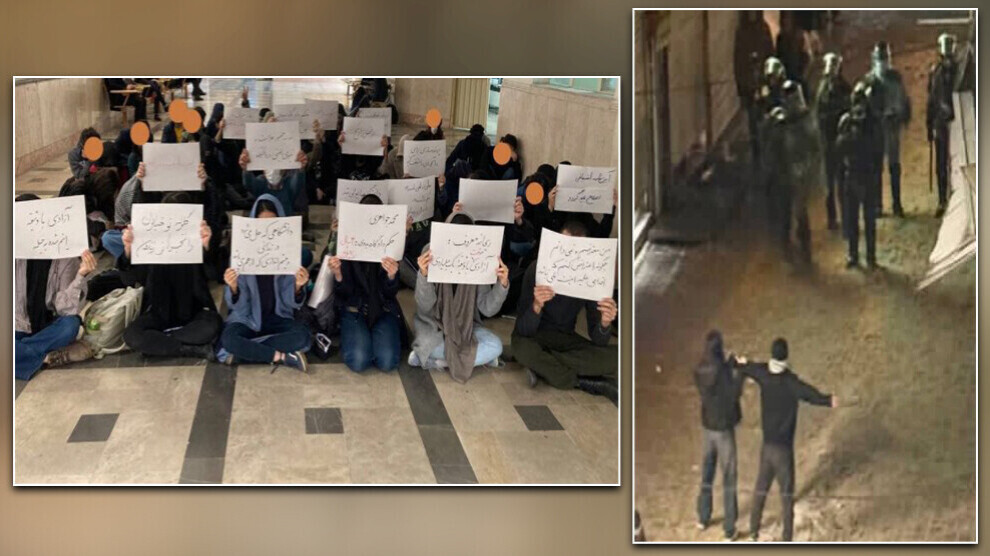
News Center — With the outbreak of a new wave of protests in Iran and their expansion across the country, concerns are mounting over intensified security repression and widespread arrests. Observers believe these protests represent a collective warning that reflects the growing gap between society and the ruling system.
The protest wave entered its fourth day on Wednesday, December 31, after beginning last Sunday following a shutdown by traders at the “Alaeddin” commercial complex in Tehran, in protest against the sudden surge in currency exchange rates. What initially started as economically driven protests quickly took on a political character and spread to several cities, including Karaj, Tabriz, Isfahan, Khorramabad, Mashhad, Zanjan, Kerman, Hamedan, and Ahvaz. Meanwhile, Tehran witnessed heightened security measures and the use of tear gas to disperse demonstrators.
In Tehran, a large number of students joined the protests, and student organizations announced their solidarity with market strikes, leading to the arrest of several students.
Security Warnings and Escalation in Official Rhetoric
Media outlets close to the Islamic Revolutionary Guard Corps warned against ignoring protesters’ demands, arguing that doing so could open the door to external security crises. The Fars News Agency quoted a security official as saying that “small, organized cells” were behind the radicalization of the protests—an indication that harsher repression may follow.
According to the Kurdistan Human Rights Network, security forces in Kermanshah arrested at least ten people, including children and young men, without disclosing their places of detention, health conditions, or the charges against them. This has heightened concerns among families and human rights activists and once again brought attention to the issue of extrajudicial arrests and violence against protesters, particularly minors.
In Asadabad, in Hamedan Province, video footage showed direct gunfire by officers from Police Station No. 11 at protesters, amid a tense atmosphere and continuous sounds of gunshots. Khorramabad also witnessed violent clashes between security forces and protesters, during which tear gas and batons were used, spreading fear throughout the city. No official statements have been issued regarding the number of detainees or injured individuals.
Status of Detained Students
The Tehran University Trade Union Committee announced the release of some detained students, while the fate of others remains unknown. Student associations criticized the security approach to the protests, emphasizing students’ right to demonstrate.
Observers argue that the current movement—an extension of the “Woman, Life, Freedom” uprising—constitutes a collective warning to the Iranian system. The participation of traditional market sectors in the protests reflects the depth of the economic crisis and raises questions about whether an alliance between the bazaar, universities, and the streets could evolve into a comprehensive movement, or whether authorities will succeed in containing the crisis through repression and temporary promises.
In a statement, the Islamic Association of Students at Tehran University and the University of Medical Sciences condemned the security handling of the protests and called for the immediate release of detainees and an end to what it described as “fabrication of cases,” stressing students’ right to protest.
Reports and student-run social media accounts indicated that yesterday’s Tuesday gathering at Tehran University saw broad student participation with support from some trade union organizations. Security forces and plainclothes agents reportedly surrounded university entrances and student dormitories and arrested several students.
At the same time, reports indicated that protests had spread to other universities, such as Sharif University of Technology and Amirkabir University, where gatherings continued in campus courtyards and at entrances, with students chanting slogans related to the economic crisis and demands to confront rising prices.
Student activists confirmed that they will continue legal and media follow-up until the status of detainees is clarified and their legal rights are guaranteed. Families of detainees and their lawyers have also demanded visitation rights and information about places of detention and detainees’ health conditions. For their part, international human rights organizations have warned of the likelihood of escalating arrests and increasing repressive measures against students.