
Protest Vigils by Women in Kassala After Decision to Demolish the "Women's Market" Designated for Them
Dozens of women in the "Women's Market" in Kassala city protested against the decision to demolish their shops after the site was sold, demanding a halt to the measure that threatens their only source of income,deepens their tension with local authorities
Sudan — Women in the "Women's Market" in Kassala city work selling local products, herbal remedies, and incense, amid widespread reliance on this market as a primary source of income that supports their families and reflects a growing economic presence for women in the city.
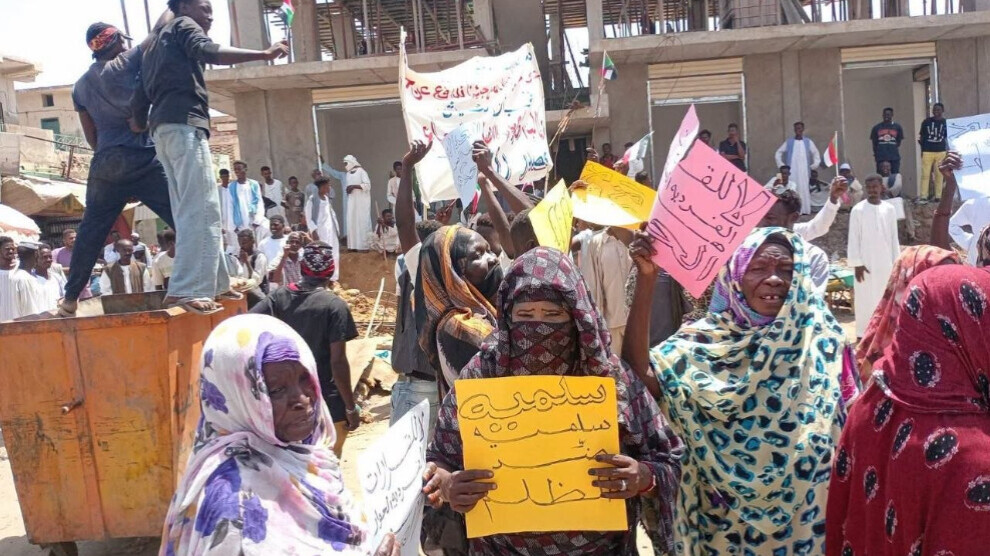
Dozens of women working in the "Women's Market" in Kassala city, eastern Sudan, organized a protest vigil yesterday, Sunday, September 13, rejecting the local authorities' decision to demolish their shops, after the site was sold by the state government, according to what the protesters reported.
Participants in the vigil raised banners demanding a halt to the demolition decision, expressing their rejection of being displaced and having their only source of livelihood cut off, affirming that the market's work revenues support families including orphans and low‑income households.
The protest vigil took place peacefully and aimed to express the shop owners' harm from the recent demolition decisions. The protesters demanded that authorities find solutions that preserve their right to work without losing their source of income.
The protest in Kassala comes within a broader wave of objections witnessed in major Sudanese markets recently, against the backdrop of increases in fees, taxes, and levies, with strikes spreading across a number of markets in major cities.
The Women's Market in Kassala is among the city's well‑known markets, famous for selling handicrafts, local products, herbal remedies, incense, and Sudanese perfumes, and it constitutes a primary source of income for a large number of women.
These developments come amid escalating tension between local authorities and some business owners in Kassala, amid repeated complaints about collection procedures and restrictions imposed on street vendors and small shop owners.