
Parliament Suspension Threatens the Rights of Women and Children and Causes Legislative Paralysis
The Kurdistan Regional Parliament has been suspended for over 423 days after elections due to quorum absence and political disputes, causing legislative paralysis, eroding public trust, and threatening the rights of women and children nationwide
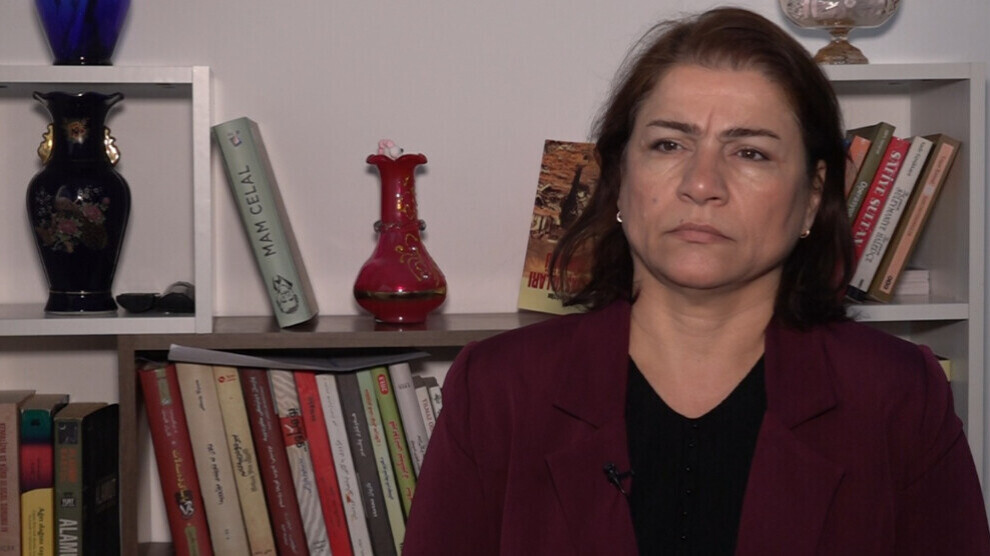
Helen Ahmed
Sulaymaniyah – The legal duration for parliamentary sessions varies from country to country, but most parliamentary systems set a maximum period of six months between sessions. This means the parliament should meet at least twice a year to conduct deliberations and organize legislative work. In the Kurdistan Region, however, the parliament has exceeded this period by far.
On 20 November 2024, the sixth parliamentary elections were held in the Kurdistan Region. After one month and 14 days, on 2 January 2024, the first session of the autumn term of the newly elected parliament convened.
Following the official swearing-in ceremony, the session president—based on the provisions of Article 14 of the parliament’s internal regulations—opened nominations for three positions: parliament president, deputy, and secretary.
The Kurdistan Democratic Party, the Patriotic Union of Kurdistan, and the New Generation Movement submitted several candidates for these positions. However, before proceeding with the legal procedures to elect the president, the session president suspended the meeting due to the absence of a legal quorum in the chamber.
After the suspension ended, the session resumed but was postponed again indefinitely due to the continued lack of quorum. Since then, 423 days have passed without a formal parliamentary session.
In this context, journalist Shno Hirani said that elections in any democratic country are a sensitive and important process. In the Kurdistan Region, elections are held every four years, allowing citizens to vote for representatives to defend their rights. Yet, after elections, political disputes among deputies and parties hinder citizens’ needs from being addressed.
She explained that the parliament is supposed to be an institution for collaborative work, lawmaking, and monitoring parties to ensure public demands are met within legal frameworks. “The reality in the Kurdistan Region shows that most sectors of society are managed with a ‘user mindset,’ leading to economic, social, and political deterioration, weakening governance, and pushing the political process backward.”
She added that external interventions play a major role in destabilizing politics. “Political forces in the Kurdistan Region and Iraq face major challenges in forming a new government. Often more than a year passes after elections without parliament or government formation due to political disputes and foreign influence, leaving the parliament inactive and depriving it of its legal and legitimate role in managing the region’s affairs.”
Shno Hirani highlighted the consequences of election results, which often favor the two main political forces, while opposition parties have limited room to operate in parliament. “Voters are politically guided by weak party visions, later causing conflicts between the ruling parties when exercising power, resulting in decision-making paralysis.”
She emphasized that this rivalry makes it difficult to have an independent parliament capable of serving citizens and managing governance effectively. “The absence of parliament in the region, as elsewhere, creates clear social disruptions,” citing the Personal Status Law in Iraq as an example, where the lack of an effective parliament in the Kurdistan Region and failure to amend the law puts women’s and children’s lives at real risk.
She confirmed that social and economic developments require continuous legal updates, but the absence of parliament has obstructed this process. “The Personal Status Law is a clear example of the effects of this absence, creating societal regression, even though the law itself needs legislative support and reorganization within parliament.” She noted that “despite the efforts of activists and civil society to defend women’s and children’s rights, the absence of parliament has been a major obstacle to achieving these rights and passing necessary legal amendments.”
In conclusion, Shno Hirani stressed that citizens vote in hope of building a new political system, but the absence of parliament and legislative paralysis erodes trust in both elections and authorities. She urged citizens and civil society organizations to exert real pressure to reactivate parliament so voters can regain their constitutional rights within the legislative institution as soon as possible.