
On the Fourth Anniversary of the Uprising, Mai Sato: The Voice of Women's Resistance Cannot Be Silenced
Marking four years since Iran's uprising, UN Rapporteur Mai Sato said Jina Amini's death ignited nationwide protests across ethnic groups and cities.
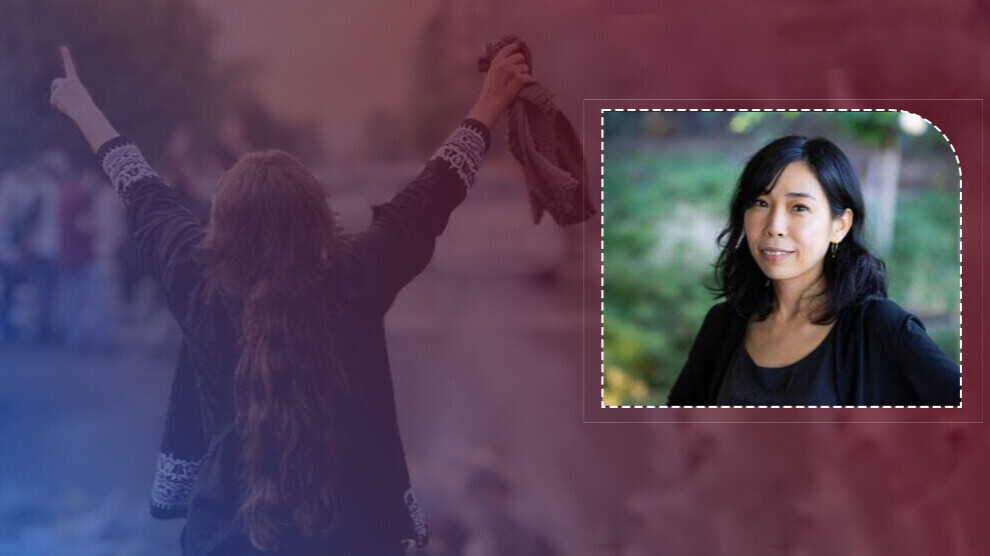
News Center — On September 16, 2022, the killing of Kurdish young woman Jina Amini formed a pivotal turning point in the history of protests in Iran. The event was not merely the death of a young woman but became a symbol of systematic repression against women and of the demand for fundamental rights and civil liberties.
The UN Special Rapporteur on the situation of human rights in Iran, Mai Sato, stated in a message on the occasion of the fourth anniversary of the death of Kurdish young woman Jina Amini following her detention by security forces that the incident formed the spark of a widespread uprising across the country, in which women and men from various ethnic groups and Iranian cities participated.
She explained that the uprising began with demands for equal rights but faced lethal repression and violence—methods that were used again during the protests witnessed in Iran in January 2026.
She pointed to the continuation of policies and pressures related to mandatory hijab, explaining that although the "Family Protection Law to Promote the Culture of Chastity and Hijab" has been officially suspended, reports indicate that the repressive campaign is still ongoing. It includes closing cafés, restaurants, and shops because of the presence of unveiled people, in addition to arresting citizens in this context.
Four years after the incident, Mai Sato affirmed that the wave of resistance that began after Jina Amini's death has not receded. Women and girls who took to the streets to commemorate her continue to demand their fundamental rights, including freedom of dress, freedom to choose work, freedom of lifestyle, and equality before the law and in society—rights that the international body says will not be forgotten.