
Nursel Sarıoğlu: Child Rights Violations in Turkey Are Due to State Neglect
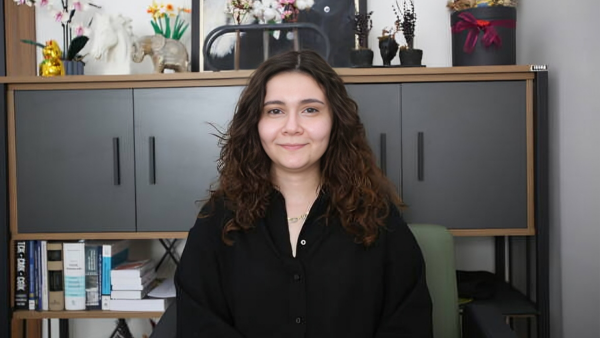
Nursel Sarıoğlu, Amed Bar’s Child Rights Center Secretary-General, said child rights violations stem from the state’s failure to protect children, urging proactive preventive measures rather than mere solutions.
ARJIN DILEK ÜNCEL
AMED _ The report “Child Rights Violations in the First Half of 2026,” issued by the Bar Association in Amed in northern Kurdistan last week, revealed a tragic reality facing children in Turkey across various environments (the home, work, and the streets), directing decisive demands to institutions to assume their responsibilities.
According to the data of the Child Rights Center issued by the Diyarbakır (Amed) Bar Association, 568 cases of violations of the right to life and physical integrity were recorded; 344 children lost their lives, including 326 who died for preventable reasons and 18 under mysterious circumstances, while 224 children fell victim to sexual assault, violence, and severe physical abuse.
The report also included information on the situation of children who lost their lives while working in vocational training centers (MESEM), which were fundamentally changed under Law No. 6764, published on 9 December 2016, and were included within the scope of formal and compulsory education.
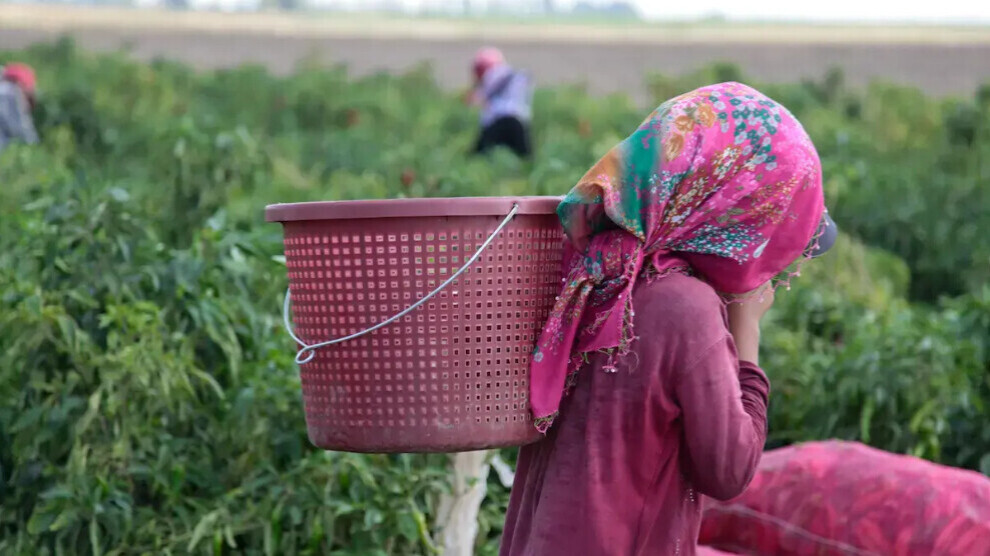
Nursel Sarıoğlu, Secretary-General of the Child Rights Center at the Amed Bar Association, criticized the state's negligence and its supervisory failure in protecting children, noting the death of 35 children during the past six months in vocational training centers. "These children were forced to work in the construction and industry sectors under harsh conditions without sufficient government oversight."
She adds: "Instead of a delayed reaction and trying to find a solution, the state should ensure control before deaths occur. All workplaces should be subjected to independent inspections, especially after the rise in suspicious child deaths, as 18 children died mysteriously during the past six months."
She confirms that domestic sexual assaults, electronic attacks, and cyberbullying have become among the most common problems. "Recently, we notice that in some cases of child deaths where the perpetrators are not found, legal investigations are not conducted fully, and the cases are recorded as suspicious deaths. This indicates the inadequacy of investigations, inquiries, oversight, and follow-up."
Does the Child Protection Law Actually Provide Protection?
Nursel Sarıoğlu attributed the worsening of violations against children to the policy of impunity and the absence of precise judicial investigation in their cases, especially cases of sexual assault and the waste of the right to life. "This judicial negligence makes victims and their families lose confidence in justice, which reduces the rates of filing complaints and encourages the spread of crime," stressing the necessity of ending this policy and deepening judicial procedures to protect children and secure their rights.
She confirmed that the laws in force pave the way for new violations against children, criticizing the recent legal amendments that entered into force last August and prevent children from benefiting from reduced penalties. "Tightening penalties will not limit juvenile delinquency, because the state's treatment is limited to reaction after the crime occurs instead of preventing it. The solution also lies in addressing the economic, social, and environmental factors that push children toward crime, instead of the failed focus on tightening penalties."
Juvenile Prisons
A report by the Child Rights Center published last May, based on interviews with 45 children between April 2025 and April 2026, revealed widespread violations inside the Diyarbakır Juvenile Prison. The report explained that a quarter of the detained children are subjected to insults and degrading treatment by guards, while a fifth of them face direct physical violence from prison staff.
Regarding this, Nursel Sarıoğlu said that the Child Rights Center regularly visits the closed Diyarbakır Juvenile Prison. "Prisons are places where children should not be. They are subjected to human rights violations and bullying from their peers, and sometimes to violations at the hands of prison officers. Their visits to their families are restricted, they cannot continue their education, and their view of life changes. It becomes difficult to reintegrate them into society. In this case, increasing penalties will lead to isolating these children from society and will harm their reintegration into it."
She stressed the necessity of adopting a preventive approach instead of resorting to toughening penalties against delinquent children. Although she welcomed the imposition of a "social investigation report" for those under 15 years old as a mechanism for holding parents accountable and correcting the judicial path, she confirmed that tightening punishment will not provide a solution to prevent crime or ensure the successful rehabilitation of juveniles.
The Year of the Family
Nursel Sarıoğlu criticized President Erdoğan's declaration of 2025 as the "Year of the Family" and the period 2026–2035 as the "Decade of the Family and Population," considering that seeking to increase offspring quantitatively without addressing the current crises will exacerbate the risks surrounding children.
She explained that children currently face extreme poverty and deprivation of education, and are forced to work to survive, in addition to losing their lives in harsh work environments or as a result of the absence of environmental safety, and the escalation of violations against them. She confirmed that the focus must be on improving the existing situation and implementing comprehensive and child-friendly policies, instead of increasing the population and expanding the circle of vulnerable and at-risk groups.
"A Child-Friendly Society Must Be Built"
Regarding the proposed solutions to protect children's right to life and prevent violations against it, Nursel Sarıoğlu said that in the first six months of 2026, nine children committed suicide. "We emphasize the importance of early intervention and enhancing psychological and social support in addressing these suicide cases. The number of educational counselors in schools must be increased and they must be subjected to oversight and supervision. We also call for limiting impunity policies in cases of suspicious child deaths, and for implementing effective monitoring, investigation, and judicial prosecution procedures in the judicial process."
She concluded her interview by emphasizing the necessity of early intervention and addressing existing problems, instead of settling for delayed reactions after violations occur. "Instead of these delayed interventions, we believe that the state should establish environmental and educational policies that take into account the child's interest in all fields to address existing problems early. We believe in the necessity of building a society in which human rights violations in children's living places are reduced to a minimum."