
Mysterious circumstances… Death of former Palestinian delegate Leila Shahid
At 76, former Palestinian delegate Leila Shahid was found dead at her southern France home; authorities continue investigating the circumstances of her death today still.
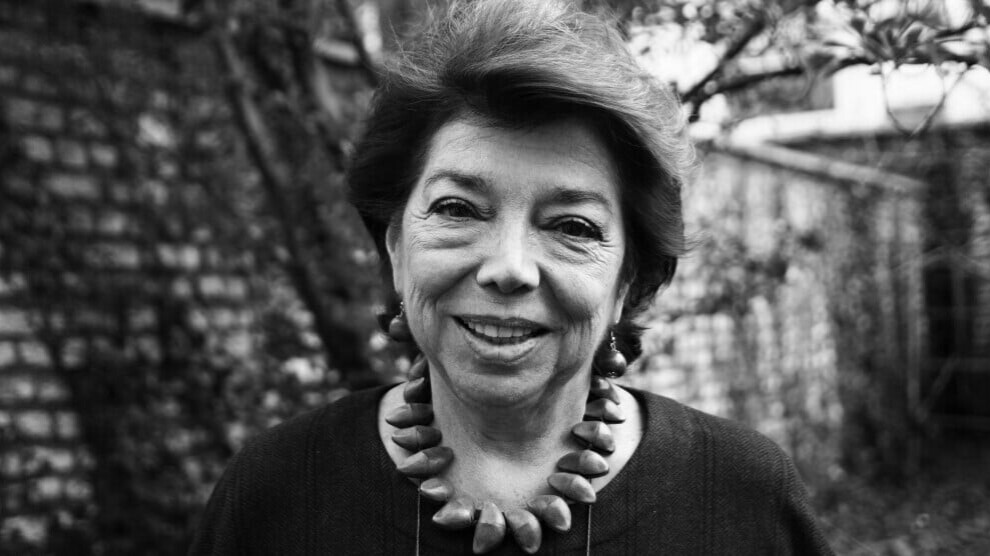
News Center – Leila Shahid was one of the most prominent Palestinian figures who played a pivotal role in the political and diplomatic arena. She was known for her bold positions and her continuous efforts to raise the voice of the Palestinian cause at the international level, which earned her wide respect in diplomatic and political circles.
The former Palestinian delegate to Paris and Brussels was found dead in her home in southern France on Wednesday, February 18. Investigations are still ongoing to determine the circumstances of her death, especially as she had been suffering from illness for several years.
Leila Shahid was born in Beirut on June 13, 1949. She obtained her secondary school certificate and then joined the American University of Beirut to study sociology and anthropology. In 1976, she was elected president of the General Union of Palestinian Students branch in France, and in 1989 she became the first Palestinian woman to be appointed as the representative of the Palestine Liberation Organization in Ireland.
In 1990, she represented the Palestine Liberation Organization in the Netherlands and Denmark. Between 1993 and 2005, she served as the PLO’s General Delegate in France. In 2006, she assumed the same position at the European Union, as well as in Belgium and Luxembourg, and remained in this role until 2014.
Over the years, she stood out as a voice representing Palestine and its people in Europe. She became well known to most European media outlets as a defender of the Palestinian people’s right to independence and sovereignty on their land, and as a supporter of Palestinian culture and its representatives.
In 1982, she played a key role in conveying the truth about the Sabra and Shatila massacre to the world when she visited the massacre sites accompanied by the prominent French intellectual Jean Genet, who was inspired by that visit to write his famous text “Four Hours in Shatila.”