
Military Movements by Rapid Support Forces Raise Residents’ Concerns in West Kordofan
RSF military deployment in Al-Nuhud,West Kordofan,sparks tension,civilian assaults,internet shutdown,and warnings of Sudan’s worsening humanitarian crisis.
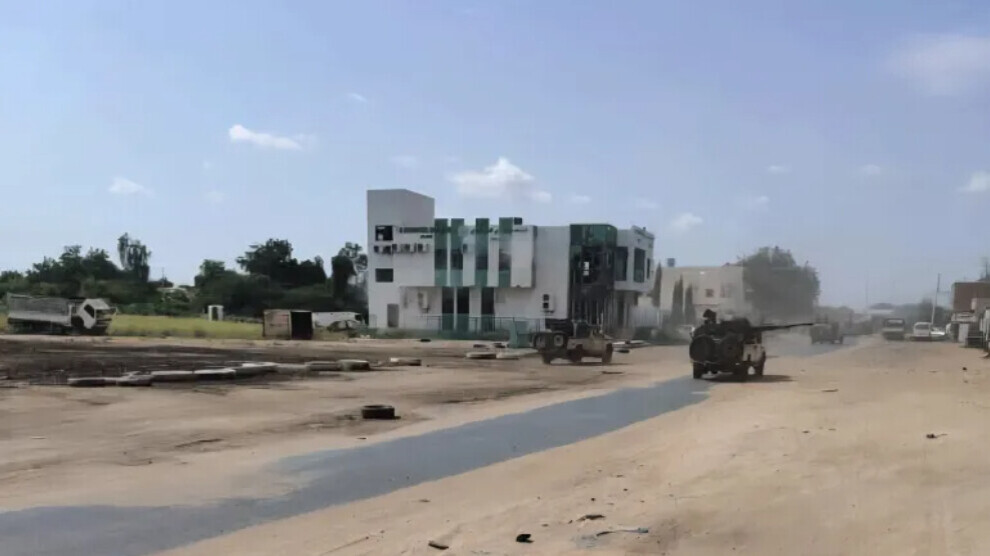
News Center_Fears are mounting in several areas of Sudan amid reports of massacres attributed to the Rapid Support Forces (RSF), as fighting continues and protection levels available to civilians decline.Human rights organizations are calling for urgent action to crub violations and ensure the safety of residents.
The Rapid Support Forces entered the city of Al-Nuhud in West Kordofan State with large military reinforcements, sparking widespread fear among residents, according to a statement issued yesterday, Monday, August 3, by the "Dar Hamar Emergency Room."
The Emergency Room explained that the forces deployed in nine locations within the city's neighborhoods, coinciding with what it described as a campaign to terrorize civilians. It also noted the registration of assaults on citizens in streets and markets using whips, and the arrest of others on charges of loyalty to the Sudanese army, in addition to the shutdown of satellite internet services in the city, while services remained available for those cooperating with the forces.
Humanitarian and rights bodies were called upon to intervene to protect civilians and end the Rapid Support Forces' control over the city. This comes as the forces have been pushing reinforcements from the Darfur region to the Kordofan frontlines over the past few days, following field losses they sustained in late July, including the loss of control over strategic areas in North Kordofan, among them a vital export route.
On the humanitarian front, in a related context, the World Food Programme warned of the continued hunger crisis in Sudan, noting that approximately 19.5 million people are facing acute levels of food insecurity as a result of the conflict, deteriorating economic conditions, disrupted agricultural production, and rising prices of basic commodities.
It noted that around 825,000 children are at risk of acute malnutrition, warning that continued shortages of food and health services threaten to increase mortality rates, particularly among children, pregnant women, and nursing mothers. It affirmed that it had managed to reach nearly 80% of areas at risk of famine, despite security and logistical challenges, emphasizing that humanitarian needs still far exceed available resources.