
Mai Sato: The suppression of protests in Iran is unprecedented in scale and scope
UN Special Rapporteur on human rights in Iran, Mai Sato, reported ongoing arrests and intensified repression after protests, urging an independent investigation and direct access to the country.
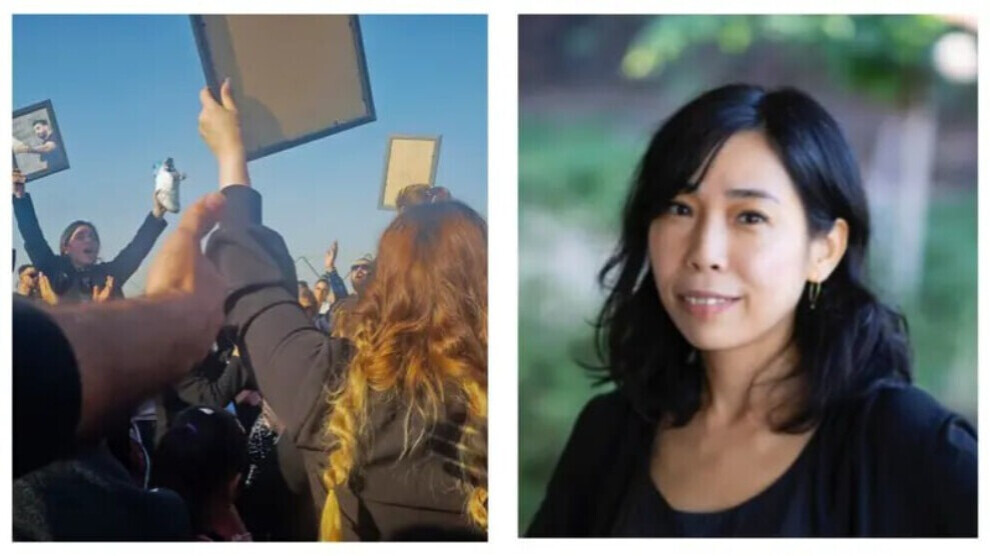
News Center – The popular protests that erupted in Iran over demands for rights and freedoms are still ongoing. These movements are being met with an increasing wave of repression, which has triggered wide reactions at both the local and international levels.
Mai Sato, the United Nations Special Rapporteur on the situation of human rights in Iran, revealed that more than 40 days after the bloody crackdown on the protests, arrests are still continuing, security forces remain heavily deployed in the streets, and citizens’ mobile phones are being searched.
The UN official described the repression of the protests as unprecedented in terms of its scale and scope. She stated that the killing of citizens by the government, arbitrary arrests, threats against families to silence them, the suppression of civil society, executions, and enforced disappearances have all happened before — but never on this scale.
Regarding the possibility of a U.S. military action against Iran, Mai Sato stressed her strong opposition to any military action without a vote by the United Nations Security Council. She added that past military interventions in other countries have not provided a clear solution and that military action is not a “magic solution” to Iran’s problems.
In response to Donald Trump’s statements about supporting protesters in Iran, the UN official said that the U.S. president’s position had shifted from focusing on the human rights situation to the issue of the nuclear agreement.
Concerning the Iranian–American talks held in Geneva with Omani mediation, Mai Sato said that even if an agreement is reached, the issues related to the protests and the human rights situation are separate matters and must be addressed independently.
She also pointed to the increased U.S. military presence in the region, including the deployment of an aircraft carrier, other vessels, and fighter jets, stating that the escalation of military tensions should not lead to the marginalization of the human rights issue in Iran.
The UN Special Rapporteur reported widespread arrests, pressure on the Baha’i minority, and the adoption of a new law that broadens the definition of “espionage.” She warned that using terms such as “terrorist” and “rioter” to describe protesters is intended to justify violent repression.
Regarding the possibility of war crimes being committed against civilians, she said that this is an extremely serious allegation that requires an independent investigation. She added that the fact-finding mission mandated by the UN Human Rights Council is responsible for investigating violations related to the protests, noting that even the death of a single protester is significant, as those individuals were exercising their right to freedom of expression and assembly.