
Koyê…An Ancient Architectural Heritage Facing the Risk of Extinction
Koyê's century-old mud and stone walls hold rich history, but heritage sites now face extinctiioin, prompting urgent calls to preserve this legacy for future generations.
SHLIAR KOYE
Koyê_ When architectural history and civilizational and scientific development in the Kurdistan Region are mentioned, the city of Koyê stands out as one of the most significant cultural and historical civilizations. This city is not merely a geographical location but represents a museum embracing a rich legacy of Kurdish culture and architectural arts that, over the decades, reflected an advanced level of thought and engineering creativity.
The heritage houses and sites scattered across Koyê embody a living identity of an era in which architecture flourished, where stones and clay shaped civilizational landmarks testifying to the development of society and the depth of its urban vision. However, these historical testimonies today face a worrying fate, as most have been demolished, while what remains stands on the brink of extinction, in a scene threatening the loss of an important part of the city's memory and history.
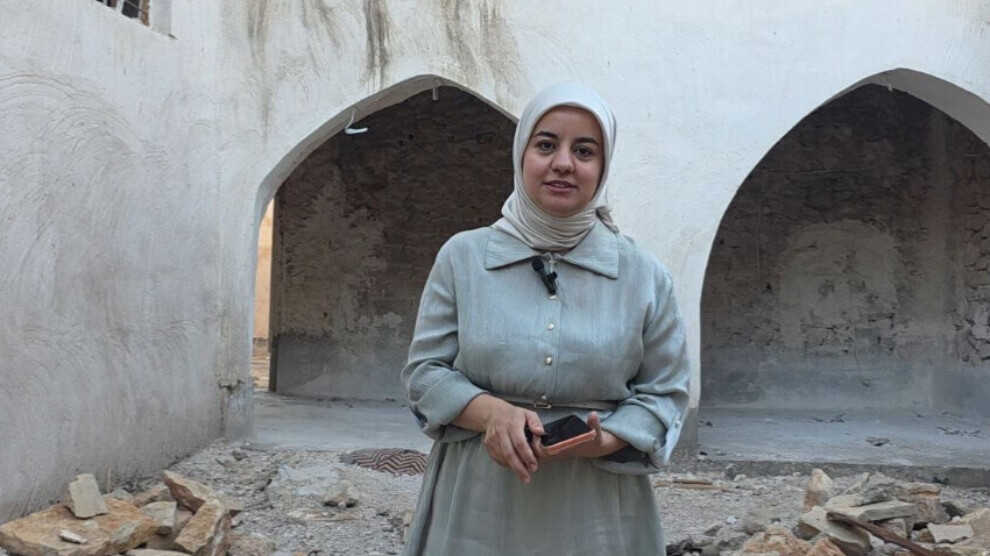
In her statement to our agency, engineer and urban heritage specialist Hajan Nafi highlighted the unique architectural value of these buildings, constructed over a century ago, while emphasizing the urgent need to act to save them from disappearance.
She added: "I have worked on studying and restoring a large number of heritage houses in Koyê, which are considered symbols of the city's architectural identity. During our years of study at the University of Koyê, we were always required to adhere to the highest standards of precision in engineering work. I had the opportunity to study approximately one hundred heritage houses, and I discovered that their engineering details and architectural designs were highly advanced, despite some of them being over a hundred years old. When we compare them to houses of the same period in other regions, we realize they were not merely residences but architectural projects carrying clear thought and vision. Therefore, their collapse today means the loss of an invaluable civilizational treasure."
A City Rich in Its Architectural Heritage
Hajan Nafi affirmed that Koyê possesses an exceptional stock of heritage houses, making their loss a painful blow to the city's identity and history. She explained that the loss is not limited to the urban aspect but extends to the loss of part of the collective memory of society, at a time when many countries are transforming their heritage sites into museums, hotels, and tourist and economic attractions, while these treasures in Kurdistan are neglected despite their great historical and cultural value.
She emphasized the importance of restoring all prominent heritage buildings, noting that the majority of old houses were built of clay, while stone buildings have greater resistance to the elements of time.
She cited the house of the Mulai Kora family in Jilizadeh, affirming the possibility of transforming it into a library or cultural museum, given its unique architectural value. The house includes rooms built with clay and stone walls, in addition to a spacious courtyard with a fountain at its center, reflecting the aesthetics of traditional Kurdish architecture. She believes that adopting this model in restoring other heritage houses would bring significant cultural and tourism benefits to the city.
Historical Sites Facing the Risk of Collapse
Hajan Nafi expressed concern over the deteriorating condition of a number of Koyê's most prominent historical landmarks, foremost among them the Haji Qadir School, which represented a beacon of knowledge and education in the past, along with the house of Najiba Khan Jilizadeh, the first woman to enroll in education in Kurdistan. She affirmed that these sites do not merely represent old buildings but embody important stages in the history of scientific and social progress in the region.
She added that leaving these landmarks exposed to ruin constitutes a great loss to the historical heritage, noting the possibility of rebuilding the Haji Qadir School according to its original plan and reviving its educational role once again, as it is an integral part of the city’s history, and that its restoration is not an impossible task if the necessary will and support are available.
In conclusion, engineer Hajan Nafi called on the Kurdistan Regional Government to give greater attention to the heritage sites in Koyê and to take practical steps to protect them from extinction, affirming that these landmarks represent the historical and civilizational pillars of the city. She also expressed her hope that the Directorate of Antiquities in Koyê would initiate comprehensive restoration projects to bring life back to these houses and historical sites, preserving them for future generations as an inseparable part of Koyê’s identity and rich history.