
Internet Shutdown… A Heavy Blow to Women in Afghanistan and Iran
Internet shutdowns in Afghanistan and Iran are not mere technical failures; they deprive women of online education, home-based businesses, and global communication, silencing their voices in society.
BAHARAN LAHIB
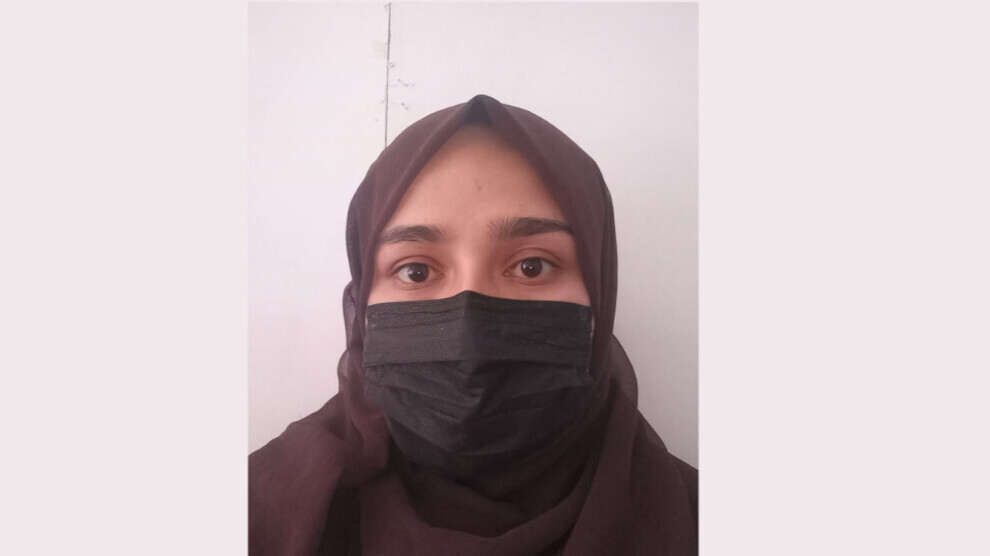
Kabul – For many citizens, the 72-hour internet shutdown in Afghanistan was not merely a technical problem; it was the closure of the last channels of communication with the outside world. This report reflects the perspective of an Afghan girl named Zoya Noor, who sees the internet blackout not as a simple disruption, but as a profound psychological, educational, and social blow.
In a country where women are deprived of in-person education, work outside the home, and broad social participation, the internet has been their only outlet. Zoya Noor believes that when the internet is cut off, women are once again confined within the walls of their homes and lose even that virtual connection.
She explains, “For many girls, online education was the last opportunity to continue learning. Language classes, science courses, university studies, and communication with professors were all possible through the internet. Cutting the internet means cutting off this path completely.”
Zoya Noor compares the situation in Afghanistan with internet shutdowns in Iran, saying, “In Iran as well, during protests, the internet was widely cut off, and activists, journalists, and female students faced severe restrictions in communication. I believe women are the first victims of internet shutdowns in both countries, because they rely on the digital space more than men to express their opinions and share their experiences. When this space is closed, their voices are silenced too.”
She points out that “in Afghanistan, many small female entrepreneurs earned money by selling handicrafts or offering educational services online. Internet shutdowns destroy this source of income and increase their economic dependence. In Iran, many women created home-based businesses through social media and suffered every time the internet was restricted. This economic damage directly affects women’s financial independence.”
Zoya Noor sees the internet not merely as a tool for entertainment, but also as a means of awareness. In light of the limited official media, women are able to access news, analyses, and the experiences of women in other countries through the internet.
She adds, “When the internet is cut off, the feeling of isolation doubles. For a girl who has been banned from attending university and has lost the chance to work outside, the internet is the only window of hope. Internet shutdowns in Afghanistan are often accompanied by an atmosphere of fear; people do not know what is happening or why communications have suddenly stopped. I see a similar situation in Iran, where internet cuts during unrest prevented images and narratives from reaching the outside world. I believe this similarity shows that the internet has become a tool for controlling narratives in both societies.”
Women in both countries face legal and social restrictions, and the internet represents an outlet for them. Cutting off this outlet is like closing a ventilation opening. She says, “For me personally, losing the internet means losing contact with friends, professors, and even distant relatives. This interruption increases the feeling of loneliness.”
In a society where freedom of expression is restricted, the internet provided an opportunity to write and express without a mediator. Shutting it down means a return to enforced silence. With every internet blackout, Afghan and Iranian women fall further behind in global academic competition. This setback affects not only individuals, but the future of an entire generation.
Zoya Noor concludes, “I consider cutting the internet a tool that harms women the most, because they are in greatest need of it for education, work, solidarity, and self-expression. From my perspective, the comparison between Afghanistan and Iran shows that wherever the internet is cut, the voice of women is the first to fade.”