
Human Rights Activist: Leniency Toward Femicide Perpetrators Fuels Crime, and Punishing Them Is Enough to End Violence
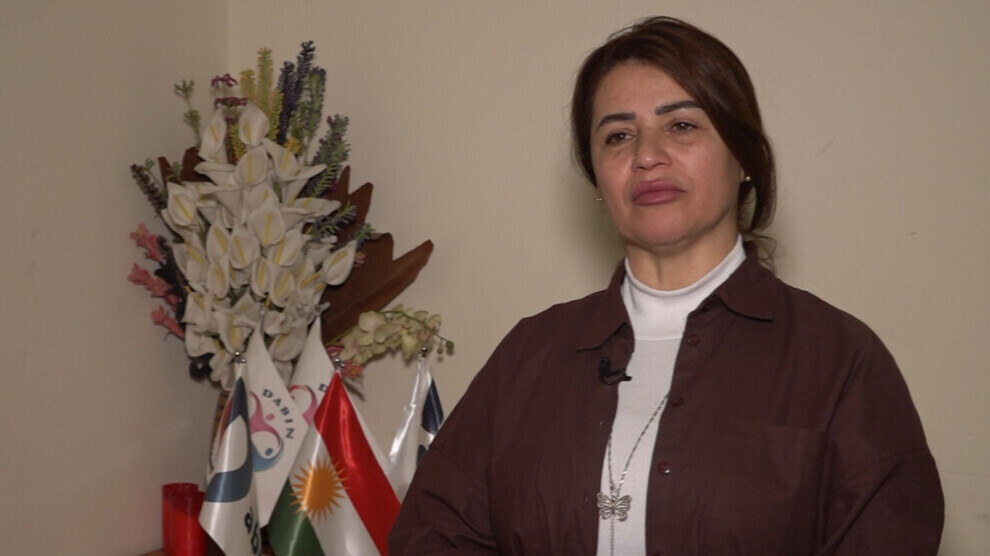
Human rights activist Dilsuz Zangana stressed that protecting women and guaranteeing their right to life reflect society’s progress, calling for activating anti-violence laws and imposing deterrent penalties to end impunity.
HELEN AHMED
SULYAMANIYAH _Women in the Kurdistan Region face an alarming and unprecedented escalation in gender-based violence rates and femicide crimes under various pretexts, amid widespread human rights condemnations and continuous calls for comprehensive legal and structural reforms to protect victims, and to prevent these crimes from turning from individual incidents into a deep structural crisis fueled by legal gaps.
While protecting women and guaranteeing their right to life and security is one of the standards of society’s progress, the phenomenon of femicide in the Kurdistan Region continues, raising grave concern. This phenomenon again sheds light on the urgent need to strengthen legal protection women and impose fair penalties on the perpetrators of these crimes.
48 Women Killed Within 8 Months
Human rights activist Dilsuz Zangana, president of the "Dabin" Organization for Democratic Development and Human Rights, addressed the recording of the killing of 48 women in the Kurdistan Region, confirming that many women lack knowledge of their basic rights and protective laws, at a time when their fundamental right to life is being taken away.
She confirms that the laws related to women's rights are not activated as required, as they remain locked in drawers and are not actually applied in femicide cases. She noted that killers sometimes find facilities from courts or benefit from the absence of deterrent penalties, in addition to the role of "tribal reconciliations" in exacerbating this phenomenon.
She calls for tightening the laws against femicide, warning that some women are forced to emigrate abroad to protect their children, but once the fathers regain them, these children find themselves without protection, as many of them are forced to live with their fathers, a phenomenon that is threatening to spread in the Kurdistan Region.
"Let Us Try to Prevent the Killing of Women"
Dilsuz Zangana explains that the Kurdistan Region possesses laws related to combating violence against women and others regulating the use of social media, but she stresses the necessity of their strict application within the corridors of courts. She calls on the concerned authorities and some officials to stop covering up for the perpetrators, as punishing the killers will inevitably lead to a decline in violence rates, while leniency leads to the continuation of these crimes and the worsening of problems.
She drew attention to the existence of 188 allied parties, saying: "We in the March 8 Network seek to eliminate this phenomenon, and we work to expose crimes through a campaign titled 'Combating Women's Suicide and Self-Immolation,' and we hope that all citizens will join us, seeking to prevent these violations through dialogue."