
Health Is a Privilege, Not a Right, for Low-Income Women in Iran
Women in Iran face healthcare inequality marked by poor services, systemic discrimination, and weak legal support, where health is treated as a privilege, not a right, demanding urgent policy reform for justice.
Shilan Saqzi
News Center — In contemporary Iran, women from poor and marginalized classes face a harsh reality. Despite their urgent need for medical services, they encounter blatant discrimination, while unjust structures and the absence of legal and social support limit their ability to defend their rights. This situation not only threatens their health but also exposes the depth of the social and medical justice crisis gripping the country.
In a system that claims social justice while being built on structural discrimination, the healthcare sector does not escape this contradiction. What is labeled as “public healthcare” is, in practice, divided into accessible care for the wealthy and suffering for the poor. In Iran’s urban hospitals, poor women—especially female breadwinners, migrants, and those living on the peripheries—face daily experiences of systematic discrimination. They arrive at medical centers with exhausted bodies and deep wounds, not only seeking treatment but trying to prove they deserve to be treated.
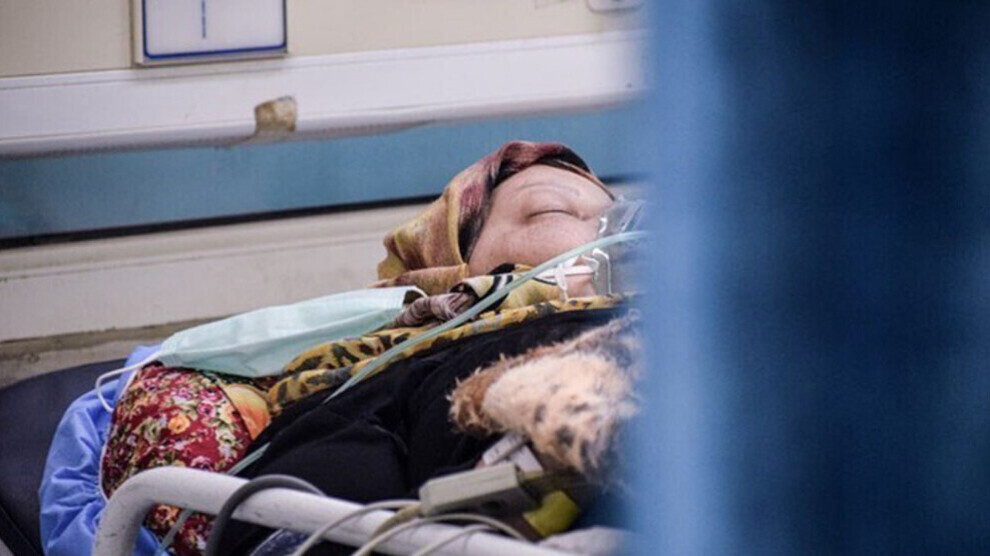
Poor women in Iran bear the greatest burden of illness, unwanted pregnancies, chronic depression, untreated pain, and malnutrition. Yet the healthcare system treats them more like subjects of repression than recipients of care. They face indifferent doctors, overworked nurses, limited services, deteriorating equipment, and humiliating procedures. Without an escort or personal connections, they are left waiting in long lines, and if they cannot afford medication or tests, even their pain is disregarded.
This inequality in healthcare is deeply rooted in Iran’s class-based and ideological structure. Private hospitals with exorbitant costs serve the affluent, while low-income women in public hospitals face neglect, long waiting times, a lack of specialists, collapsing infrastructure, and even judgment based on their modest clothing, local accents, or silence imposed by shame—factors that become excuses to ignore them. Many women choose to endure pain rather than relive the humiliation of seeking treatment.
The cancellation of basic health insurance, the imposition of fees for primary services, and the removal of subsidies for medication have all made life harsher for poor women. Many avoid hospitals altogether, fearing high costs or recalling degrading experiences, and instead endure their illnesses in silence. At the same time, official propaganda pushes women toward pregnancy and traditional reproductive roles without providing any guarantees or infrastructure to protect their physical and mental health.
In a just context, the “right to health” should be an integral part of basic citizenship rights. In Iran, however—especially for poor women—this right is neither guaranteed nor protected. Instead, it is used as a tool of control, exclusion, and punishment against marginalized groups. Mental health services and women’s healthcare are largely reserved for the wealthy, while health policies remain male-centered, ignoring women’s bodies and relegating them to the margins.
As long as health is treated as a privilege rather than a universal right, poor women will remain excluded from meaningful access to healthcare. Medical discourse must be freed from the dominance of capital and patriarchal logic, and health justice must become an urgent political and social demand. Restoring dignity to women’s bodies will not be achieved through official slogans, but through real, equal, and humane access to treatment. This perspective not only exposes an existing crisis but also constitutes a call to reshape policies and revive the stolen dignity of women.