
From Somalia… The Experience of Women in Rojava Deserves Protection, Not Targeting
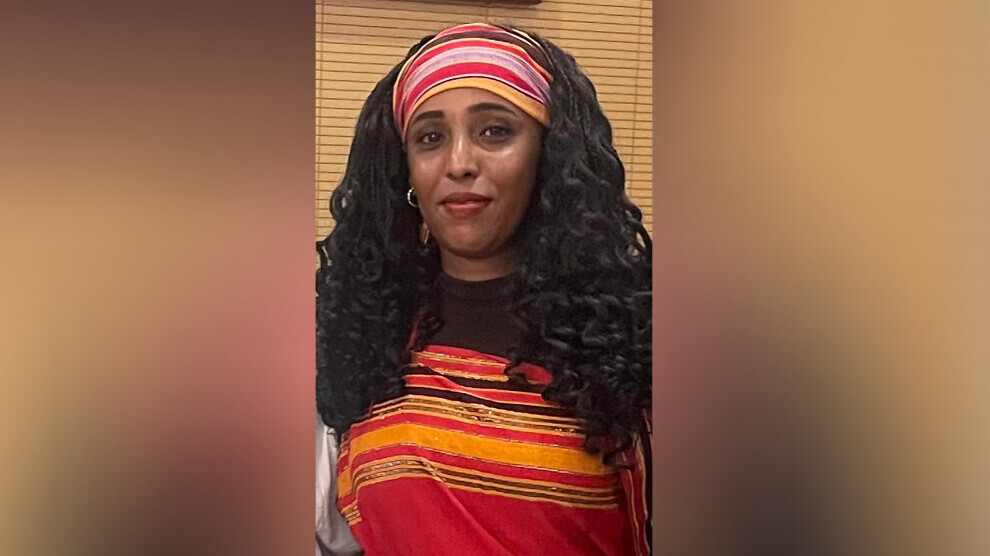
An article by Somali researcher and activist, and member of the “NADA” Coalition, Leila Jama
From the heart of the Horn of Africa, from the memory of a people whose wounds have yet to heal from wars, displacement, and fragmentation, I write this not as a passing stance, but as a testimony of human and ethical solidarity with the peoples of Rojava, who today face a new wave of violence and threats, at a moment when the world is in dire need of wisdom and peace.
As a Somali woman, and as a researcher and activist who has lived through and studied the impact of conflict on societies, I cannot view what is happening in Rojava in isolation from our shared history as victims of protracted wars, international silence, and the marginalization of peoples’ voices. There, as here, civilians pay the highest price, and our collective humanity is put to the test.
Rojava is not merely a name in the news bulletins, but a social and human experience that, amid devastation, sought to create a space for coexistence and to place human dignity—especially that of women—at the center of public life. The women of Rojava have inspired me, not only because they bore arms, but because they carried society on their shoulders: in education, in governance, and in sustaining life in the midst of death. This experience, with all its challenges and shortcomings, deserves to be protected, not targeted.
Targeting Rojava today does not threaten a specific region alone; it threatens the very idea that peoples are capable of creating alternative models of coexistence beyond exclusion and violence. It is a painful reminder that when women step forward to build peace, they are often the first to pay the price when the logic of force returns.
From my position as a member of the “NADA Coalition,” and from my commitment to the values of justice and human rights, I affirm that solidarity with Rojava is solidarity with civilians, with women, with children, and with the right of local communities to live without fear. It is a solidarity that does not call for hatred or incitement, but for the protection of life, respect for international humanitarian law, and the breaking of the silence that prolongs suffering.
Our experiences in Somalia, and in many parts of the world, have taught us that peace cannot be imposed by force, and that ignoring the voices of communities—especially women—leads only to further destruction. Therefore, standing with Rojava today is a stand with the future, with the possibility that there is another path besides war.
I write this because I believe that human dignity is indivisible, that the pain of peoples is interconnected, and that our silence makes us complicit in loss. The resilience of Rojava is the resilience of the idea that hope is possible, even in the darkest of circumstances