
Female lawyers in Upper Egypt: Between professional presence and near-total absence
In light of the soon-to-be-held elections in the Egyptian Lawyers Syndicate, the question of the representation of female lawyers within the syndicate’s board arises.
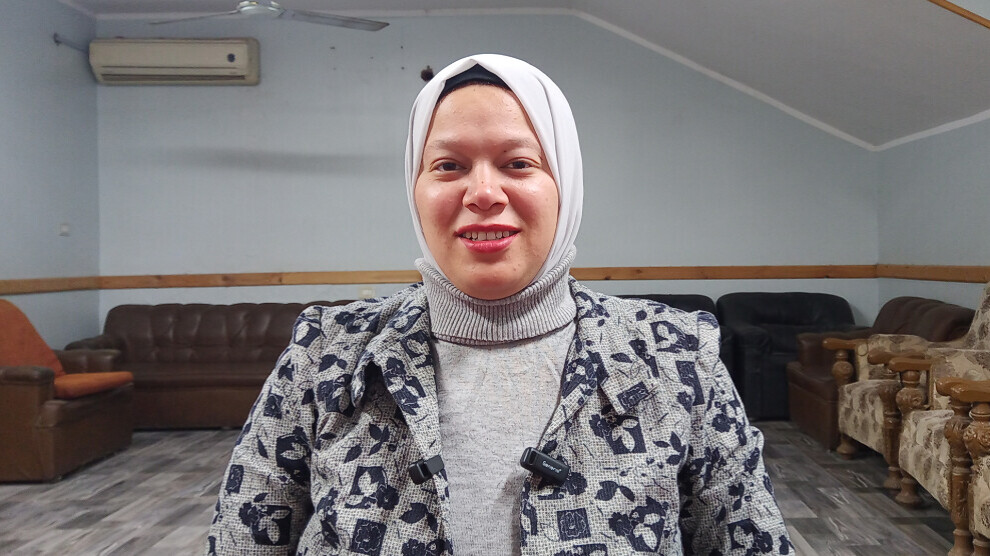
IMAN ALI SAMEER
Egypt – Although the law does not differentiate between men and women in running for union seats, customs, traditions and social heritage still constitute a barrier to female lawyers in Egypt reaching decision-making positions. Asmaa Kamal El-Sayed, a lawyer and candidate for the South Assiut Bar Association for the youth seat, confirmed that “there is no seat in the Bar Association designated for women. We have a seat designated for youth only, and this seat is not required by law to be occupied by a man or a woman. It is designated based on age group and not gender, and this is one of the advantages that exists. However, there is no seat specifically for female lawyers, and this is something we demand, and we demand the application of the quota system, so that one or more seats are allocated to women in the council.” She explained that women in the Egyptian Lawyers Syndicate represent between 30 and 40% of the general assembly. "Naturally, this large number has its own needs, interests, legal presence, and professional opinions. They constitute a significant bloc, and it's logical that they should have representation within the association."
Regarding the obstacles facing female lawyers, she pointed out that "the law doesn't prevent them from running for any position, whether it's the position of president, even though the president is a man, or a membership position. There are no legal impediments." She added, "However, we face numerous obstacles, primarily related to customs and traditions, especially since the city of Asyut is located in Upper Egypt, where acceptance of women's participation in these positions is less prevalent compared to some cities in Lower Egypt. Therefore, we haven't had a single female lawyer win a seat in the board of the Egyptian Lawyers Syndicate before."
Asmaa Kamal El-Sayed Ali emphasized that implementing a quota system and allocating a seat for women would be crucial and a significant step in promoting participation, especially given women's prominent role in society. She noted that women now serve as judges and prosecutors, and it's only natural that they should have a seat within the board of the Egyptian Lawyers Syndicate. "The Lawyers Syndicate already has a seat for young people, which is the seat I'm running for," she explained, "but we face numerous obstacles that weaken our chances of winning. Sometimes, an election cycle or more passes without any female lawyer succeeding, and sometimes no female lawyer even runs. This is because society doesn't accept it, and some consider it a waste of time and a significant financial burden without a real opportunity to compete. For example, in the current election cycle, which opens in a few days, only five female lawyers have submitted their candidacies in both North and South Asyut combined. Their chances of winning remain slim due to a lack of support and the preference of most lawyers, both men and women, to vote for men, even if they are less qualified."
She pointed out that "five or six years ago, women were completely absent from certain positions. Today, however, laws have evolved, and women have proven their excellence in many fields. Nevertheless, we in Upper Egypt still face greater challenges compared to other cities. In Asyut, for example, no female lawyer has won a seat in the syndicate’s board in previous years."
She added, "The reluctance to vote for women stems from societal attitudes. We need a change in mindset. The situation has changed in other sectors; female employees now perform the same roles as male employees, and women have become judges and prosecutors. But they need a push and encouragement. Allocating a seat for women will gradually facilitate this; it's simply a matter of time and getting used to it. Another issue is that the majority tend to choose well-known and older lawyers, while young people should have a significant role in the electoral process because they have fresh perspectives and a desire for change."
Asmaa Kamal El-Sayed faced considerable criticism and discouragement for her candidacy, with someone telling her, "Save your money, nothing will change, and no woman has ever succeeded before." She pointed out that "even the support we receive is usually minimal and merely a courtesy, but the preference for men remains."
She believes that amending the law and implementing a quota system is essential because it would make a seat for women mandatory, encouraging female lawyers to run and increasing their participation in the electoral process. She hopes that the first female victory will be achieved soon, at which point the situation will change and lawyers will accept it. Because ultimately, she adds, is the goal of their work the public interest, and since female lawyers constitute a significant bloc within the General Assembly, they have the right to representation within the Syndicate’s Board.