
Early Marriage Escalates in Yemen Under the Pressure of War and Poverty
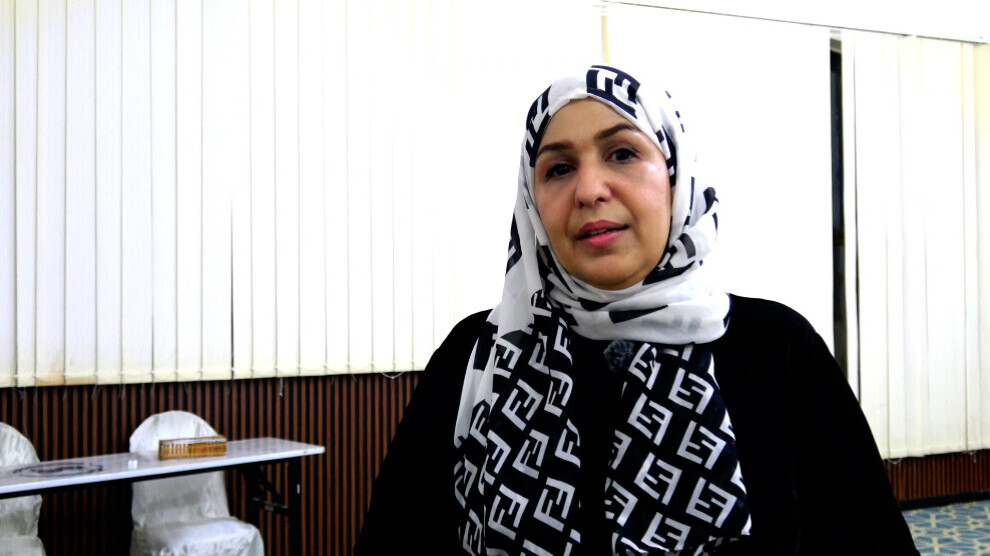
Fawzia Ahmed represents the most vulnerable human face of early marriage in Yemen. Her experience reflects the story of thousands of girls pushed by war and poverty into marriages they never chose.
Rahma Shanthour
Yemen — War did not create the phenomenon of early marriage in Yemen, but it has reproduced it in harsher forms due to poverty, displacement, and insecurity. Its psychological, health, and social consequences continue to affect girls, families, and society as a whole.
In one of the villages of Al-Misrakh district, south of the city of Taiz, Fawzia Ahmed stands at the threshold of her memories, recalling a defining moment that completely changed the course of her life. She had not yet turned fourteen when she was forced to move from the playground to the marital home.
Fawzia Ahmed (22) says briefly, summarizing years of harsh transformation:
“I got married when I was 14… and now I have four children.”
Early marriage was not a dream for a child who once ran after laughter and simple games. It was a family decision imposed by social customs and economic conditions. Suddenly, she found herself a wife, then a mother, and responsible for an entire household before her childhood had fully unfolded.
In a quiet voice mixed with sorrow, Fawzia recalls that period:
“Suddenly I found myself responsible for an entire home… I was deprived of living my life as a child, deprived of education, and became a housewife. I suffered psychologically and physically.”
Behind these few words lie the details of a long struggle: early pregnancy, continuous responsibilities, and pressures beyond the capacity of a body that had not yet fully developed and a mind still in formation.
Today, Fawzia reflects on her experience with greater awareness and says:
“The absence of education and the lack of awareness about the dangers of early marriage were among the reasons my father married me off early, in addition to poverty and difficult economic conditions, especially in rural areas.”
War as a Multiplier of the Crisis
In a country exhausted by war and burdened by economic crises, child marriage has returned strongly to the forefront—not only as an old social tradition but also as a harsh response to living conditions that grow more difficult for families each day.
According to statistics from the United Nations and the Yemeni government, about 52% of Yemeni girls marry before the age of 18, while 14% marry before the age of 15. The number of underage wives in the country is estimated to exceed four million girls.
Amira Al-Sharjabi, a psychological consultant and behavioral therapist, says that the past ten years have witnessed a noticeable increase in early marriage cases, emphasizing that the war has played a key role in deepening the phenomenon.
She notes that early marriage is no longer limited to rural areas or low-income families. It has spread across different social groups after the war imposed harsh economic realities on everyone. Fathers who once refused to marry their daughters early now find themselves under pressure from need and helplessness amid the lack of job opportunities and rising living costs.
Marriage as an Economic Refuge
Al-Sharjabi adds that the feeling of insecurity—whether economic or social—has been one of the main drivers behind the spread of this phenomenon. In an environment dominated by anxiety about the future, marriage may be seen as a “solution” that provides protection and stability, even at the expense of childhood and education.
In recent years, another phenomenon known as “tourist marriage” has emerged, where some families or girls marry people from outside the country in search of better living conditions. Al-Sharjabi believes this type of marriage is closely linked to the economic crisis and reflects the scale of pressure some families are experiencing.
Deep Psychological and Health Effects
From a psychological perspective, Al-Sharjabi explains that adolescent girls have not yet reached full psychological or physical maturity. When they are pushed into marriage, they take on responsibilities far beyond their capacity, becoming responsible for a husband, children, and an extended family while still needing care and support themselves.
This sudden transformation may lead to psychological disorders such as depression or trauma, especially when the new responsibilities coincide with potential health complications related to pregnancy and childbirth at an early age. The accumulation of pressures may also affect her relationship with her children and family environment, creating long-term social problems.
Displacement and the Worsening Crisis
The consequences of war have not been limited to economic hardship alone. Internal displacement has further complicated the situation. Families forced to leave their homes and live in harsh conditions have found themselves facing limited choices, one of which is marrying off their daughters to reduce the number of dependents in the household.
All attempts to curb this phenomenon have failed so far, and a draft law setting the legal marriage age at 18 years remains stalled in the drawers of the Yemeni parliament.
Al-Sharjabi concludes that war did not create early marriage but reproduced it in harsher forms and added new motivations linked to poverty, displacement, and insecurity. She says:
“While early marriage may be seen as a temporary rescue option, its psychological, health, and social consequences remain long-lasting, affecting the girl, the family, and society as a whole.”