
UN warnings of a strong "El Niño" wave that could raise global temperatures
WMO warns of potentially strong El Niño development in coming months, which could raise temperatures and increase extreme weather risks, amid UN calls for urgent climate preparedness.
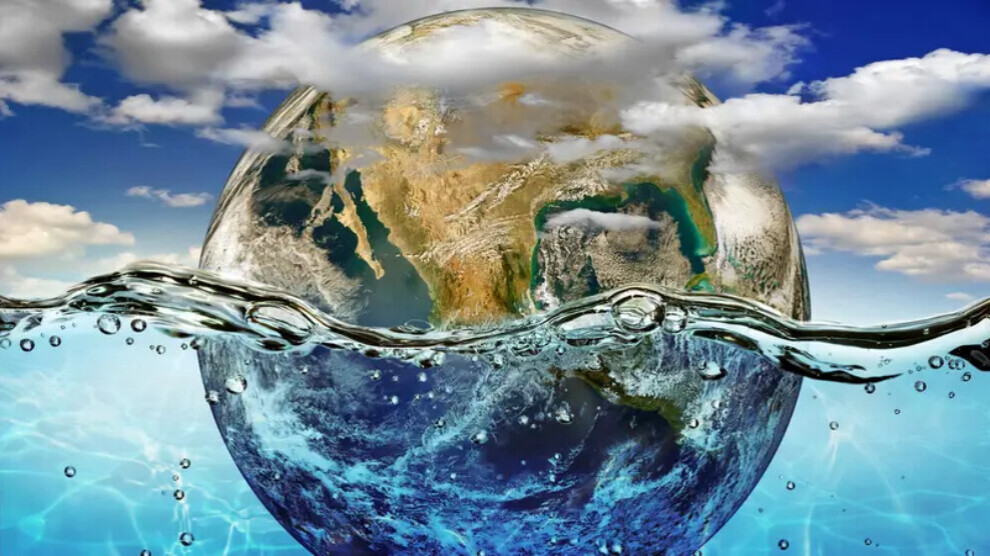
News Center – The strong El Niño wave is raising escalating concerns about widespread climate disruptions, with expectations of global warming and increasing extreme weather events, as international bodies warn of potential repercussions on food security, water, and ecosystems around the world.
The UN World Meteorological Organization (WMO) predicted today, Tuesday, June 2, the occurrence of an El Niño phenomenon of moderate or possibly strong intensity, which could lead to a rise in global temperatures and increased risks of exposure to extreme weather events in the coming months.
According to the WMO, El Niño is a periodic rise in sea surface temperatures in the central and eastern Pacific Ocean, usually lasting between nine and twelve months.
The organization said that warm ocean waters fuel the development of El Niño, and it expects higher‑than‑average temperatures in most parts of the world from June to August, predicting that the phenomenon will continue until next November.
WMO Secretary‑General Celeste Saulo said that the world must prepare for the potential strength of the coming El Niño, as it could exacerbate drought, heavy rainfall, and increase the risks of heatwaves on land and in the ocean. She added that one of the most recent El Niño waves during 2023‑2024 contributed to making 2024 the hottest year on record.
The WMO noted that a change has been observed in the region on either side of the equator in the Pacific Ocean, as sea surface temperatures rose rapidly from late April to mid‑May, indicating the development of El Niño conditions.
This pattern is known to affect regional climate conditions, potentially leading to increased rainfall in the southern United States, South America, parts of the Horn of Africa, and Central Asia, while causing drought in Australia, Central America, Indonesia, and parts of South Asia.
The organization said it could cause global temperature rises and fuel hurricanes in the central and eastern Pacific Ocean. The UN Secretary‑General affirmed that the world must treat this as an urgent climate warning, as El Niño conditions will fuel global warming, calling for a transition from fossil fuels to renewable energy.