
Crippling Economic Pressures Amid Displacement and Border Closures
The influx of displaced families and tightened road restrictions disrupt supply chains and livelihoods, while women-led community and economic initiatives form a safety net sustaining daily life.
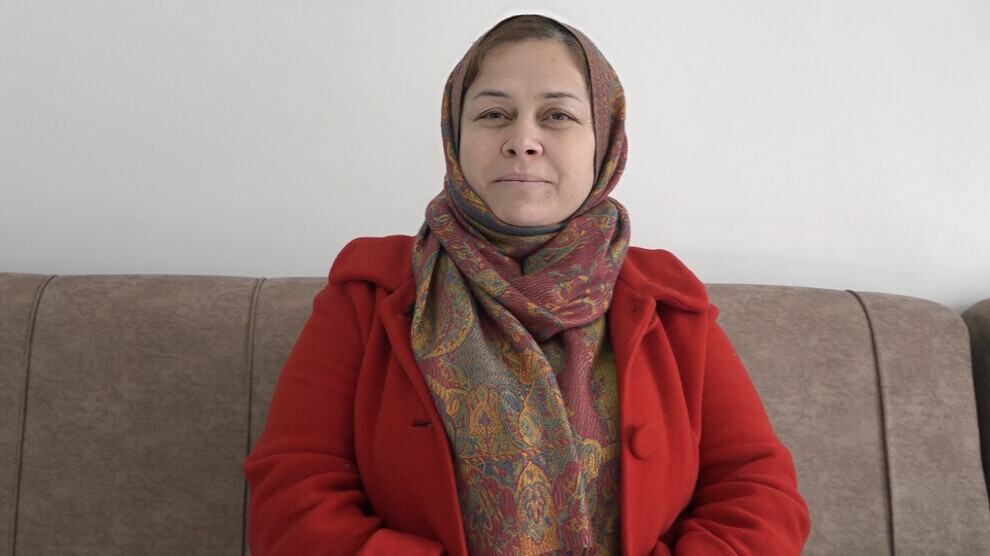
Asma Mohammed
Qamishlo – With the massive wave of displacement and the strain of economic blockade, women have moved to the forefront of community life in the city of Qamishlo in Rojava. From organizing shelters and securing daily necessities to supporting the local economy, their strength has become a key driver in sustaining life and mitigating the impact of the crisis on the city.
In every wave of displacement, losses are not measured only by the number of empty homes, but by the scale of the disruption that affects both the social and economic balance. With the arrival of thousands of displaced families from the Sheikh Maqsoud and Ashrafieh neighborhoods to the city of Qamishlo, the city has turned into an open space of living pressure. Women have emerged on the front lines of the daily struggle to maintain the continuity of life and prevent its collapse.
Ghalia Mahmoud Al-Najjar, a member of the Women’s Economy Committee of Kongra Star in Qamishlo canton, confirmed that the regions of North and East Syria have witnessed a large wave of displacement of Afrin residents from the Sheikh Maqsoud and Ashrafieh neighborhoods as a result of the military escalation launched by the jihadists of Hay’at Tahrir al-Sham. This forced large numbers of civilians to head toward the city of Qamishlo, placing exceptional burdens on the region’s living and economic infrastructure.
She explained that the heavy influx of people coincided with the closure of major roads and crossings:
“Supply chains were severely disrupted, which was directly reflected in the availability of basic commodities, especially bread, heating materials, and cooking oils. This paralyzed market movement and increased economic pressure, effectively pushing the city into a suffocating living blockade.”
The supply, economy, and agriculture institutions, in cooperation with the local community, have tried to regulate the limited resources and prevent the crisis from worsening. However, the biggest challenge has been securing shelter and essential needs for the displaced.
“Many were forced to stay in schools, places of worship, or unfinished buildings, amid bitter cold and a severe shortage of heating means.”
Women, as shown, have borne the greatest burden of displacement. Their responsibilities in family care and meeting children’s needs have doubled under harsh psychological and economic conditions for which they were not prepared. Nevertheless, they have played a central role in social cohesion.
“They have helped organize shelter centers, protect children, support the community, participate in guarding and logistical support for fighters, prepare food, and maintain an active presence in community-based economic activities.”
Al-Najjar pointed out that this experience has revealed women’s ability to transform into an effective economic force. Women’s institutions are working to empower women—especially the displaced—through small projects that ensure independent income and reduce the impact of displacement. A large percentage of local economic activity is now led by women despite scarce resources.
She also noted that social solidarity has partially alleviated the severity of the crisis. Bakeries have continued operating, and traders have provided facilities as much as possible, in a collective attempt to prevent the collapse of living conditions.
“The current phase requires broad cooperation to overcome political, social, and economic challenges.”
Ghalia Al-Najjar concluded by stressing that the primary goal is for people to return to their homes:
“The land is not merely a place to live; it is the foundation of economic and social stability. The resilience and solidarity of society are the real guarantee for overcoming this phase with the least possible losses.”