
Communes… An Organizational Space to Protect Neighborhoods and Strengthen Popular Unity
As part of ongoing efforts to strengthen community security, women in Qamishlo’s communes play a vital role in organizing neighborhood protection, shifts, and popular readiness.
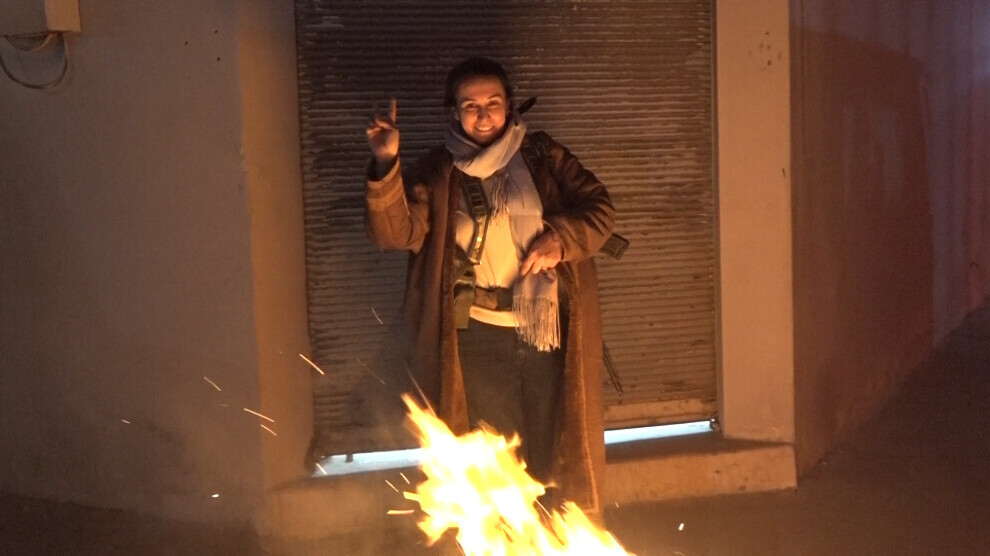
Asma Mohammed
Qamishlo — Through essential protection and daily organization, women in the communes of Qamishlo city affirm their effective presence in safeguarding community security, strengthening popular preparedness, and consolidating the concept of self-defense based on collective responsibility and community unity in the face of security challenges.
In the context of affirming collective responsibility and community unity, communes have become genuine organizational spaces led by women in defense of society and land. Women continue to perform their pioneering and active role in promoting the concept of essential protection, preserving civil peace, and maintaining social stability.
This role is embodied through daily and regular participation in neighborhood protection, and through organizing community work based on the principles of collective responsibility, constant vigilance, and popular solidarity—reflecting a high level of awareness and organization within society.
Armang Mohammed, a member of the Martyr Ramzi Commune in one of Qamishlo’s neighborhoods, stated that the commune meets daily in the evening hours to organize community protection tasks. “This role stems from a deep sense of responsibility toward the land and society. Participation in the commune is not limited to a specific group or segment; it includes women as mothers and young women, alongside youth, within a unified collective framework aimed at protecting the neighborhood and safeguarding the security of residents.”
Organization Contributes to Raising Community Awareness
She explained that the commune adopts a well-organized and carefully planned protection system, with a full team present daily from 3:00 p.m. until midnight to carry out monitoring, guarding, and follow-up duties, followed by another team that takes over until the following morning. “This organization reflects a high level of commitment, discipline, and coordination among residents, and confirms the full readiness of the local community and its constant preparedness to deal with any emergency or threat that may endanger the security of the area and the safety of its inhabitants.”
Women bear a great and doubled responsibility during this sensitive phase, as they leave their children and engage in protection duties out of a deep sense of belonging and duty toward their neighborhoods and land. “The declaration of general mobilization contributed to raising community awareness, enhanced a state of vigilance among all residents, and placed them in a constant state of readiness to protect their areas from any attempts to destabilize security or undermine safety.”
According to Armang Mohammed, residents provide continuous support and assistance to the forces stationed on the front lines, while the commune plays a complementary and essential role in protecting neighborhoods internally through constant presence and ongoing follow-up. “This role will continue with determination, resolve, and strong will, regardless of challenges and circumstances, until full security is achieved—reflecting the spirit of sacrifice, collective responsibility, and faith in the community’s ability to protect itself.”
She also stressed the importance of residents continuing to fulfill their social and national duty even if the general mobilization is lifted, calling for not relying on political agreements or a false sense of security, and for maintaining full readiness and constant vigilance against any potential threat to the region. “Protecting society is a collective and continuous responsibility that is not tied to a specific time period and does not lapse under any circumstances. The communes base their work and organization on the thought and philosophy of leader Abdullah Öcalan, and are founded on community organization, self-defense, and popular unity.”
Armang Mohammed called on all residents to follow this path and strengthen the spirit of solidarity and joint action, emphasizing that “the role of women has been and continues to be essential and pivotal at this stage, and that unity of ranks and collective work constitute the true path toward victory, the consolidation of the democratic project, and the building of a free and secure society.”