
As-Suwayda Between the Fires of Regional Escalation and Civilian Suffering
Escalating tensions between Isreal and Iran have dewn Syria’s As-Suwayda into regional conflict, leaving residents facing shrapnel, explosions, disruotion, and serious humanitarian and security consequences.
Roshel Junior
As-Suwayda — Amid rapidly escalating military tensions between Israel and Iran, residents of the Syrian city of As-Suwayda have found themselves at the heart of the repercussions of a regional confrontation that extends beyond their geographic borders.
Following Israel’s announcement of what it described as “preemptive” strikes at dawn on Saturday, February 28, and the passage of warplanes over the city en route to Iran, As-Suwayda was not spared. Missile fragments fell across various parts of the city, causing civilian casualties and material damage, amid widespread panic and an almost complete disruption of daily life.
The Ongoing Suffering of War
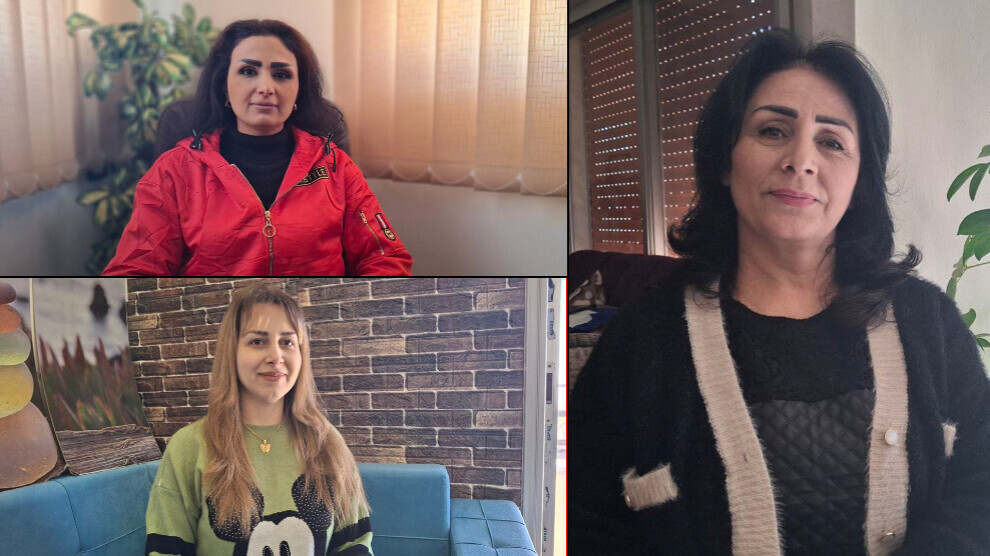
In this context, a curfew was declared and schools across As-Suwayda were suspended, at a time when the education sector was already suffering from significant fragility. Haneen Khalifa stated that schools had “barely resumed operations about two months ago, and stopping them now is catastrophic for children and youth,” noting that shrapnel had been falling in different areas for two days, resulting in civilian casualties, including a child.
Markets and shops were also closed, increasing the hardship faced by residents—especially those dependent on daily income and unable to stock essential goods—raising concerns about a worsening living crisis should the escalation continue.
Haneen Khalifa added that the psychological toll is no less severe than the material losses. Children are reportedly suffering from sleep disturbances, bedwetting, and speech difficulties due to ongoing stress and the sound of explosions. She explained that parents themselves are in need of psychological support in order to help their children cope under such circumstances.
Fears of Broader Security Repercussions
For her part, Hanan Sharaf al-Din pointed out that the geographical location of Jabal Basha near the Syrian Golan Heights makes the area directly vulnerable to the effects of any military escalation in the region. She stressed that missiles crossing Syrian airspace and fragments falling into cities constitute a violation of national sovereignty and expose civilians to serious danger.
She warned that regional actors’ focus on the broader conflict could open the door to additional security instability in southern Syria, emphasizing that residents are waiting for long-overdue stability—not another round of escalation.
Samaher Al-Andari stated that the fall of an Iranian missile in the industrial zone, resulting in casualties, “is a natural outcome in the context of wars, whether on the humanitarian or international level,” describing the ongoing conflict as “a war of existence imposed by force.”
She suggested that the confrontation could have occurred earlier, citing what she described as Iran’s role in supporting armed groups in the region, and noting that international balances delayed its outbreak until this stage. Despite acknowledging the scale of human losses, she expressed hope that the escalation could lead to “a new phase marked by stability and justice.”
Samaher Al-Andari concluded by emphasizing that civilians are the perpetual victims of any regional conflict, expressing hope that losses will remain limited in all affected countries and that the confrontation will ultimately end in peace that ensures stability for the region.