
Algeria discussion meeting examines mechanisms protecting migrant women from violence and exploitation risks
A Wassila Network discussion in Algeria highlighted migration’s legal and humanitarian dimensions and challenges protecting migrants’ rights, focusing on migrant women’s social vulnerability and risks of violence and discrimination.
NAJWA RAHM
ALGERIA — Professor of International Law at the University of Algiers 1, Leila Boussaid, called for providing safe shelters and sources of livelihood that protect migrant women from violence and exploitation, and for not confining the responsibility of protection to the countries receiving migrant women alone.
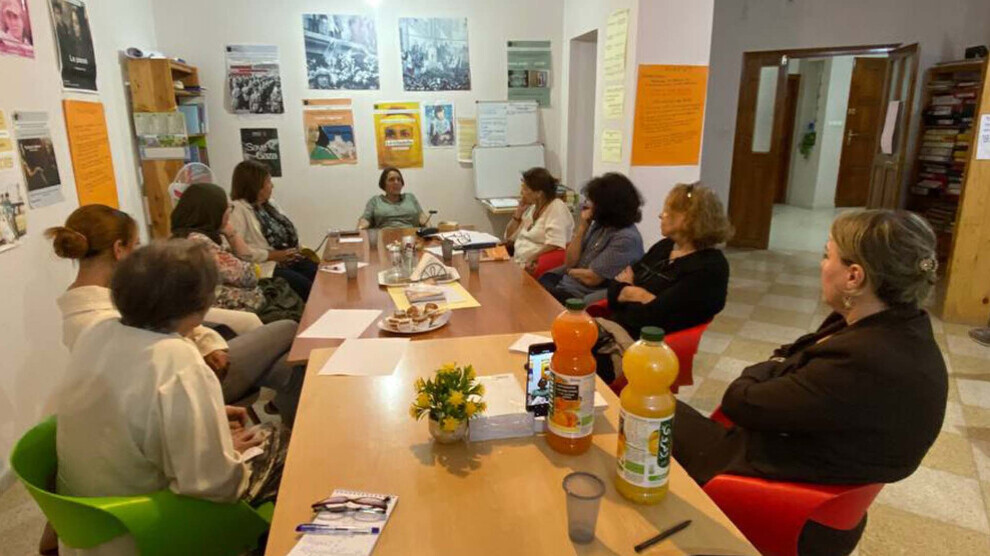
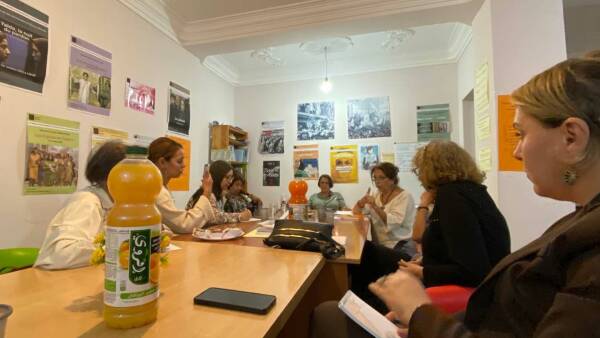
The Wassila Network (Réseau Wassila / AVIFE) hosted yesterday, Saturday, November 14, a discussion meeting in Algiers on the topic of "Migration and Migrants' Rights," with the participation of Leila Boussaid, a professor at the Faculty of Law at the University of Algiers 1 and a specialist in international law and human rights, in order to discuss the dimensions of the migration phenomenon, its causes and stages, in addition to the legal and humanitarian problems associated with protecting migrants and guaranteeing their rights.
The meeting was an opportunity to address the legal status of migrants within receiving societies, and the rights guaranteed by international covenants, in light of the challenges imposed by migration conditions, especially for the most vulnerable groups, foremost among them women.
Migrant women: doubled vulnerability and risks of violence
Among the most prominent issues present in the discussion was the situation of migrant women, who often find themselves before difficult living and social conditions, in which the challenges of migration intertwine with forms of vulnerability that women in general may face, such as violence, discrimination, and the lack of economic and social stability. In this context, Leila Boussaid explained in a special interview with our agency that migrant women are often more vulnerable, especially when they find themselves in situations of isolation without sufficient support networks, and that the difficulty of accessing work, sources of income, and social protection may further complicate their conditions and make them more exposed to exploitation and violence.
She affirmed that these problems are not only linked to migrant women arriving in Algeria, but represent a reality experienced by many women across the world, as the challenges they face are similar despite the differences in countries and contexts, especially when migration combines with poverty, marginalization, and weak protection.
She stressed the importance of searching for practical mechanisms that guarantee the protection of migrant women, by providing safe spaces and shelters to which they can resort when exposed to violence, in addition to helping them access sources of livelihood and work without exposing their lives to danger.
She also called for not confining the responsibility of protection to the countries receiving migrant women alone, but rather expanding the circle of intervention to include various components of society, including associations and non-governmental organizations, which can contribute to providing support and accompaniment and strengthening mechanisms for preventing violence and exploitation.
This approach highlights the importance of coordination between institutions and civil actors in order to respond to the needs of migrant women, while taking into account the specificity of their situations, especially women who live without family support or are accompanied by children, and face difficulties in accessing basic services.