
Al-Majdal Village… On the Front Lines, Women Forge Resilience
Despite heavy losses, Al-Majdal’s women say their resilience sustains the village, and hope for normal life endures through the people’s determination and deep attachment to their land..
Rochelle Junior
As-Suwayda – Al-Majdal village is considered one of the frontline villages separating areas where jihadist fighters of Hay’at Tahrir al-Sham are present in some neighboring Druze villages and the Druze residents of Al-Majdal itself, which has turned it into an open arena for exchanges of fire and intermittent clashes.
The village lies to the northwest of the city of As-Suwayda in southern Syria, in a sensitive geographical location that has made it resemble a permanent contact line.
This geographical reality has directly affected the lives of its residents. The village has shifted from a quiet rural environment into an area living under the weight of daily tension, caught between constant anxiety and anticipation of any sudden escalation.
A large part of Al-Majdal was completely burned, while the remaining section, though still standing, was not spared from looting and theft. Dozens of homes were destroyed, shops lost their contents, and many families lost both their houses and their sources of livelihood.
Attempts to Restore Life
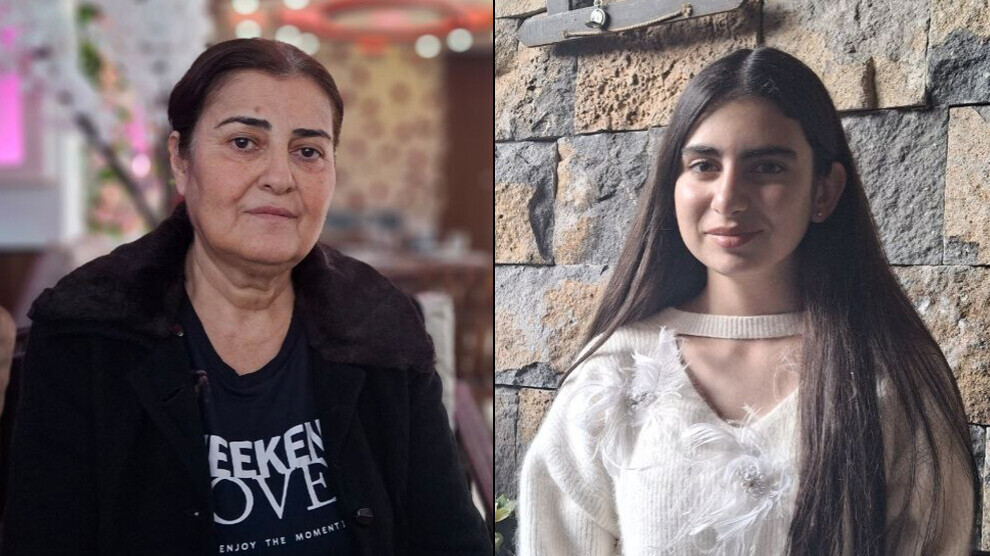
Nagham Bandaq from Al-Majdal says that the residents tried as much as possible to remain in their homes when the events began, but the direct threat to civilians’ lives forced them to leave temporarily to preserve their safety.
She explained that her family went to the city of Shahba and stayed there until the situation relatively calmed down, before deciding to return despite the difficulty. Their house was among the few that were not damaged, while a large number of others were burned or looted: “About half the village was destroyed.”
With the return of some residents, gradual attempts to revive life in Al-Majdal began. The bakery and some shops reopened, although they do not meet all basic needs. She says, “Returning was not easy, but staying away from home was no longer an option,” stressing that the villagers are doing everything they can to restore stability despite the ongoing violations.
Education… A Daily Journey Fraught with Danger
Schools were not spared from destruction; most were looted or damaged, which led to the suspension of education inside the village. Nagham Bandaq says she is forced to travel daily to the city of As-Suwayda to continue her studies because there are no functioning schools in Al-Majdal or the surrounding villages, despite the danger of the road and the high transportation costs. “The determination to pursue education remains stronger than fear, despite the difficult circumstances.”
She also pointed out that some families try to keep their children in the village for a few days at a time, but the renewed gunfire forces them to send them back to the city for their safety.
Women… The Backbone of Steadfastness
Under these circumstances, the role of women has emerged clearly and strongly. Women in Al-Majdal consider themselves the primary support for their families, keen to provide moral strength and not show fear in front of them.
They also prepare food and water and help provide first aid when injuries occur during shelling or clashes. “With time, women learned to distinguish between the sounds of bullets and shells and to know how close and how dangerous they are,” she says—something she describes as painful and difficult, yet it has become part of daily life.
Destruction of Homes
Ibtisam Abu Kamel, also from Al-Majdal, says that the events began in the early morning hours of one day in July 2025, when the village was subjected to incursions and direct threats. “A large number of houses were burned, and young men from the village were killed.”
She added that around 300 houses were burned and described the situation as “the worst,” noting that Al-Majdal had always been an example of coexistence between Christians and Druze, and that everyone stood together before and after the events. “The people of As-Suwayda stood by them, and social solidarity played an important role in easing the impact of the tragedy.”
Ibtisam Abu Kamel said that children are the most affected by what happened, adding that her grandson cries whenever he hears gunfire. “These experiences have left deep psychological effects on both children and adults.”
Women in Al-Majdal live in a constant state of fear for their families and relatives, yet they try to remain strong and supportive of one another. She stresses the importance of solidarity among women to overcome this stage.