
Afghan Women's Movement Demands End to Taliban Restrictions Ahead of Fifth Anniversary
As the fifth anniversary of the Taliban's return to power in Afghanistan approaches, criticism is renewed over the situation of women and girls, amid continuing restrictions on their rights to education, work, and social participation.
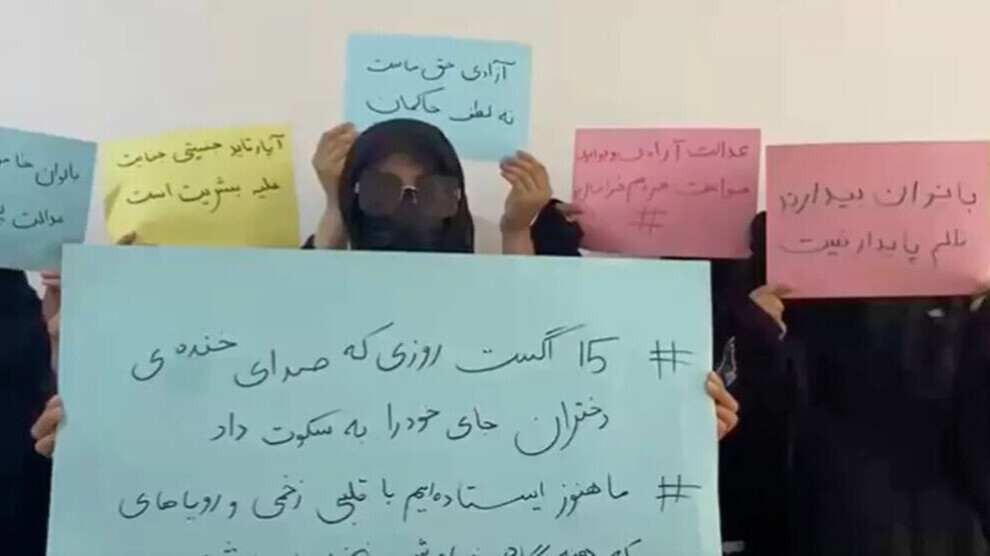
News Center— The "New Kabul Khorasan Women's Movement" has renewed its criticism of the policies imposed on women and girls, considering the measures and restrictions affecting their lives over the past years to constitute a form of "gender apartheid" and a blatant violation of fundamental rights.
The movement said, in a statement issued today, Saturday, July 25, that the past five years have seen a major deterioration in the situation of Afghan women and girls, who have been deprived of a number of their basic rights, foremost among them the right to education, work, and participation in social and public life.
The statement noted that August 15 marks a pivotal moment in the lives of millions of Afghans, particularly women and girls, who have since faced sweeping restrictions affecting nearly every aspect of their daily lives.
The movement affirmed that education, work, and community participation are not privileges granted by the authorities, but fundamental rights that must be guaranteed to all women, stressing that its slogan, "Justice, Freedom, and Equality Are Our Demand," reflects Afghan women's demands to reclaim their rights and live in dignity and safety.
The movement also condemned the continued restrictions imposed on women, describing the current situation as "gender apartheid" and a crime against humanity, and called on the international community to take serious steps to press for an end to these policies and to ensure respect for the rights of women and girls in Afghanistan.
Since the Taliban's return to power on August 15, 2021, girls have faced restrictions on continuing their education beyond the sixth grade, while women continue to suffer sweeping restrictions in the fields of work, education, social activities, and participation in public life.
These measures have repeatedly drawn criticism from human rights organizations and international bodies, which have called for an end to the restrictions imposed on women and for their fundamental rights to be guaranteed.