
'Abolishing the Preferential Currency Rate Pushed Eight Million Iranian Citizens into Poverty'
The head of Iran's Parliamentary Social Committee confirmed abolishing the preferential currency rate pushed eight million citizens into extreme poverty, warning that amending the subsidy system excludes broad working groups from benefits.
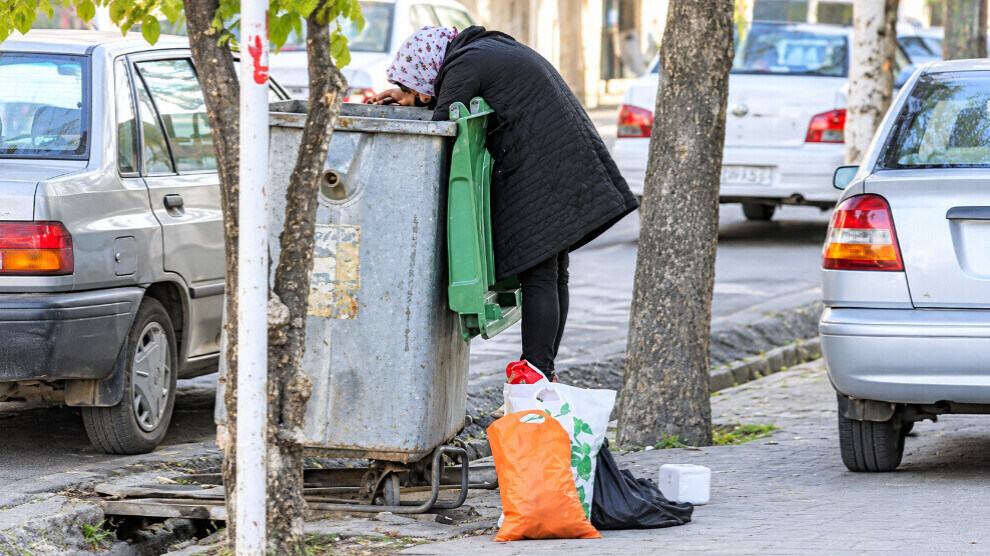
NEWS CENTER– Poverty rates in Iran constitute a critical economic and social challenge, as living crises, inflation, and the decline in the purchasing value of the local currency push millions of citizens toward the poverty line, amid the inability of government policies to contain the crisis and provide protection for the most vulnerable groups.
The head of the Social Committee in the Iranian Parliament criticized the implementation of the policy of abolishing the preferential currency rate of 28,500 tomans, confirming that the result of the incorrect implementation of this policy was that about eight million people fell into the clutches of extreme poverty and malnutrition, while up to 50 million people face difficulties in securing the basic goods and food they need.
The head of the committee said: "If the prices of goods, especially basic ones, had been liberalized according to the scenario approved by Parliament, and subsidized goods had reached final consumers, the impact on the spread of malnutrition would not have been this great," confirming that the current implementation method has many flaws.
The head of the committee warned of the consequences of changing the zakat system and excluding some groups from the list of beneficiaries of government support, saying that these decisions may deprive workers with monthly incomes ranging between 20 and 40 million tomans, and car owners, from obtaining support.
He drew attention to the worsening living burdens, confirming that securing a dignified life for a family of four requires a monthly income of no less than 100 million tomans. These statements come at a time when working-class and limited-income families are suffering from sharp jumps in the costs of housing, food, and basic requirements.
He also criticized the electronic bill payment system, saying that government support is not limited to cash payments, but Parliament's decision aims to provide basic goods to consumers and meet the food needs of families. According to him, the Social Committee in Parliament seeks to reform this system and return to a mechanism under which support is allocated to the final supply chain.
The positions of the head of the Social Committee reveal a clear disagreement between Parliament and the government over the method of distributing support, at a time when the citizen pays the greatest price due to the sharp rise in the prices of basic materials and the increasing difficulties of obtaining daily life-sustaining food.