
A Holiday Without Colors… How did Nowruz in Afghanistan Turn into a Season of Sorrow?
Nowruz in Afhanistan arrived amid sorrow and repression; women were absent from public, yet the holiday remains a symbol of resistance and cultural identity.
Baharan Lehib
Kabul – Nowruz is one of the most important historical days in Afghanistan, celebrated annually by the people with great splendor and attention. Afghans believe that before the start of the new year, all household tools, workplaces, or any place where they live must be cleaned, so that cleanliness accompanies the removal of the sorrows and worries of the past year.
However, with the outbreak of war from 1979 until today, and with successive despotic, authoritarian, or corrupt governments in power, millions of young people—girls and boys—have been killed or have disappeared. As a result, rates of illiteracy, unemployment, poverty, and forced displacement have risen day by day. This situation has led to a decline in people's motivation to celebrate such occasions.
Before the war and the Soviet invasion of Afghanistan, people—regardless of their economic status—would leave their homes seeking joy and renewal of spirit, heading to recreational places for what they called "stepping on the grass," believing that this would fill them with life for the entire year.
During more than four decades of war, successive governments, before every Nowruz or holiday, would commit massacres or cause suicide bombings, explosions, or even attacks on centers, killing dozens or hundreds of people. These events plunged Afghans into grief instead of preparing for celebration.
Despite all these tragedies, crimes, and wars, celebrating these historical days under Taliban rule has become a form of resistance and struggle. On Saturday, March 21, the first day of the new year in the solar Hijri calendar, Afghan women inside and outside the country celebrated this day even though the Taliban described it as "infidelity." But in most provinces, Nowruz celebrations were limited to children and young boys.
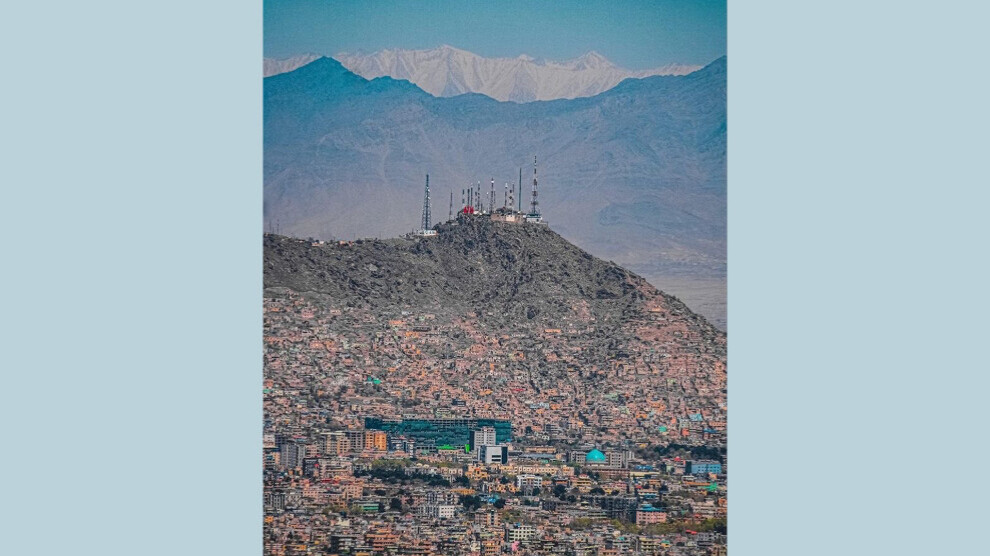
Yesterday, we went to a place where families would usually gather to celebrate the new year, but we found only children and young boys. There was no trace of women or girls, not even young ones. There is a hill in Kabul where families used to flock on Nowruz for outings. This hill, with its flowers and wild grasses, used to be made even more beautiful by the presence of women and children in their colorful clothes.
But yesterday, there were no women in that place. Members of the "Vice and Virtue" (Promotion of Virtue and Prevention of Vice) were present, preventing women from entering. We contacted our friends in different provinces to learn about the state of Nowruz celebrations. They said the situation there was similar: no one was smiling, and no signs of joy were seen among the people. For these reasons, Afghanistan has returned to the bottom of the list of the least happy countries in the world.
Afghans believe that wearing new clothes on the first day of the year brings happiness throughout the year. But in the current circumstances, with widespread poverty, Taliban repression, and recent bloody events, most people showed no sign of new clothes.
Nowruz in Afghanistan is no longer merely a festive occasion; it has become a mirror clearly reflecting the social, political, and humanitarian reality in which the country lives. Under mounting poverty, escalating repression, and insecurity, the holiday has lost its joyful character and has become a symbol of resistance, solidarity, and the preservation of cultural identity. Despite all the suffering that surrounds Afghans, hope remains that a day will come when Nowruz returns as a true celebration, where all members of society—especially women and children—gather in an atmosphere of freedom and joy.