
A Dialogue Symposium on the Link Between Mental Health and Domestic Violence in Jordan
A symposium by Jordan's National Center for Human Rights highlighted the connection between mental health and domestic violence patterns, stressing the need to develop legislation and preventive services to protect individuals, strengthen public awarennes
BARAA AKRAM
Amman — Participants in the symposium affirmed that Jordan possesses an important national system for preventing domestic violence, stressing the need to close gaps in reporting and develop psychological services, and to strengthen awareness that mental health is a fundamental right requiring more effective protection and legislation.
The National Center for Human Rights held a dialogue symposium yesterday, Wednesday, titled "Mental Health and Crime: Social, Legal, and Human Rights Dimensions," with the participation of a group of experts, specialists, and representatives of national institutions, to shed light on the intersections between mental health and various patterns of violence and crime.
The sessions discussed the role of psychological and social factors in the commission of crimes, with experts pointing to a surprising finding: that the roots of violence-related problems are linked more to social issues than to psychological factors in the abstract sense, warning that psychological violence within the family tends to be "inherited" if not treated therapeutically, producing a society that becomes a breeding ground for patterns of domestic violence.
The discussions clarified that poverty, unemployment, and a family's fragile economic situation are not necessarily direct causes of horrific crimes, as such cases are also recorded among high-income families, while stressing the importance of distinguishing between life and psychological stress on one hand and chronic mental illness on the other.
Statistics and Barriers to Reporting
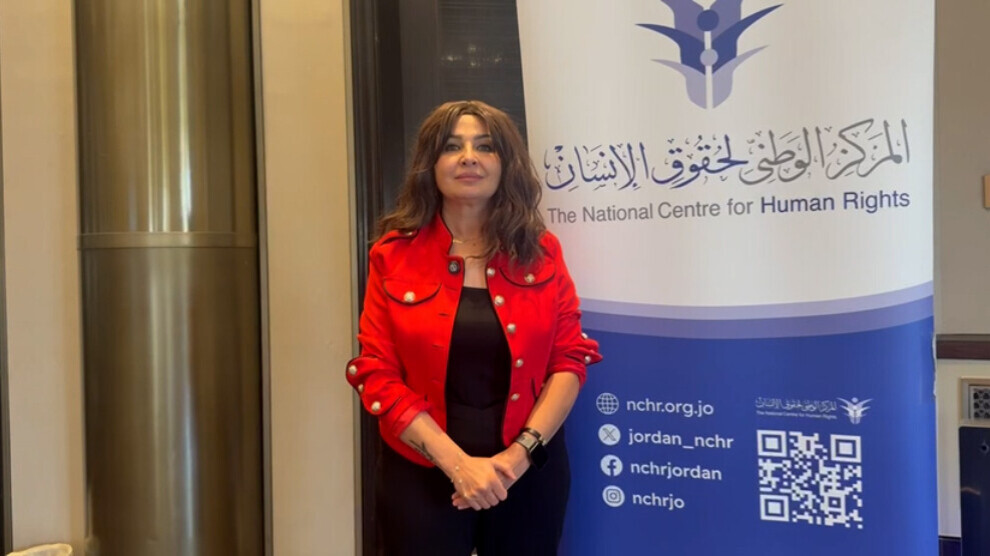
For her part, Nesreen Zreiqat, Commissioner at the National Center for Human Rights, affirmed that economic dependency, social stigma, and cultural legacies are among the most prominent obstacles preventing women from reporting cases of violence, noting that some women may come to accept exposure to abuse as part of the prevailing societal culture, or refrain from filing complaints out of fear of "reaching the breaking point and losing their family" amid a lack of financial independence.
The symposium presented statistics indicating concerning rates in recorded domestic violence cases, including 51% for cases of violence within the family and 63.7% for cases of physical violence, amid questions over the scale of unrecorded cases due to fear of the "stigma of mental illness" or the social stigma associated with reporting.
The National System and Prevention
On the institutional level, participants in the symposium affirmed that Jordan possesses an integrated and important national system for the prevention, reporting, and handling of domestic violence, praising the role of the Family Protection Department within the Public Security Directorate and the services provided through the country's network of mental health centers (numbering around 73 centers).
They also stressed the importance of closing gaps in reporting mechanisms, improving the level of services, and strengthening public awareness that mental health is a fundamental human right no different from any other branch of healthcare.
Legal Dimensions and Perpetrator Accountability
In the closing session, dedicated to legal dimensions, participants discussed the extent to which national legislation responds to mental health issues linked to crimes, reviewing the role of technical and psychological expertise in determining a perpetrator's awareness of their actions at the moment the crime was committed, and how to build judicial trust in psychological and technical reports to ensure the proper application of the principle that criminal responsibility is nullified in the absence of awareness, as opposed to establishing legal responsibility for those who were aware.
The symposium concluded with an affirmation of continued efforts to integrate specialized expertise and strengthen legal and psychological awareness, in a way that ensures the protection of individuals and the development of legislation and services related to the mental health and domestic violence system.