
27 New Ebola Cases as Death Toll Rises in Congo
Authorities in the Democratic Republic of the Congo have announced 515 total confirmed Ebola cases, including 91 deaths, amid international warnings of a widespread outbreak unless strict measures are taken.
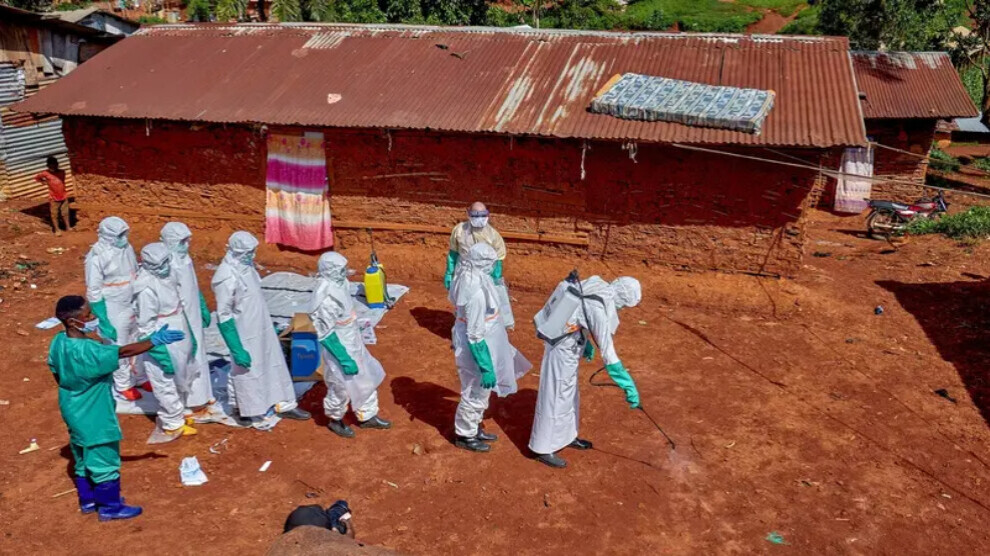
News Centre — The silent spread of the Ebola virus for weeks in Congo reveals serious gaps in health surveillance systems, as cases were detected late after the appearance of symptoms similar to common diseases, raising fears of a wider outbreak that would be difficult to contain.
The number of confirmed Ebola virus infections in the Democratic Republic of the Congo has risen to 515 cases following the registration of 27 new infections in the past twenty-four hours, according to an announcement by the country's authorities yesterday, Sunday, June 7. The toll includes 91 deaths.
The U.S. Centers for Disease Control and Prevention (CDC) has warned that the current outbreak — which the World Health Organization has classified as a Public Health Emergency of International Concern — could reach the scale of the 2014–2016 outbreak that killed more than 11,000 people in West Africa, unless strict measures are taken to curb its spread.
In this regard, the official responsible for prevention and epidemiological analysis at the U.S. agency stated that models indicate that, in the absence of robust public health measures, an outbreak of this magnitude is possible. The Ebola virus, transmitted through close contact and bodily fluids, has caused the deaths of more than 15,000 people in Africa over the past years.
The Congolese authorities had announced on May 15 the outbreak of the virus in Ituri province in the northeastern part of the Democratic Republic of the Congo, a country with a population of nearly 100 million, which is considered one of the poorest in the world and is also experiencing armed conflicts.
It is believed that the virus — transmitted through direct contact and bodily fluids and capable of causing fatal hemorrhagic fever — had been spreading silently for weeks before the outbreak was declared. This is attributed to the fact that infection with the Bundibugyo strain of Ebola, responsible for the current outbreak, begins with symptoms similar to influenza, malaria, or typhoid fever, which may delay its detection.