
YPJ is our existence and our identity, say Kobani women
Amid debate over Syria’s future political and military arrangements, Kobani women affirm the Women’s Protection Units (YPJ) role and reject any attempts to end their existence or limit their independence.
Barjam Jodi
Kobani- As diccussions continue about the future of military and administrative forces in Syria within the framework of integration plans between the Syrian interim government and the Syrian Democratic Forces, the debate over the future of the Women’s Protection Units continues.
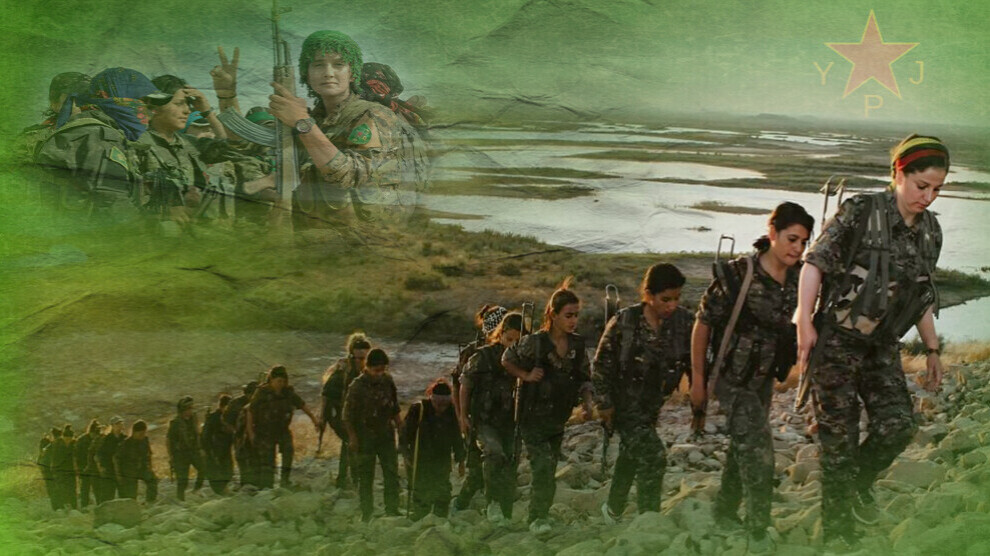
The Women’s Protection Units (YPJ) were established on April 4, 2013, as a women’s defense force in Rojava. They later expanded organizationally to include women from different components such as Kurds, Arabs, Armenians, Syriacs, and even international women fighters, following the liberation of Tabqa, Raqqa, and Deir ez-Zor from ISIS.
These forces played a prominent role in various stages of the conflict in the region and became one of the fundamental forces in the scene. Today, amid the political integration phase with the Syrian interim government, the file of these forces remains unresolved.
A new identity
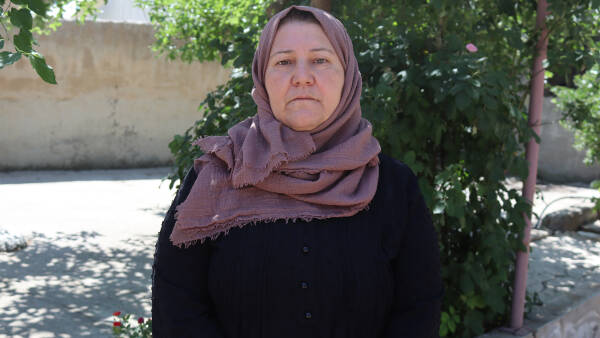
Nasra Darwish from the city of Kobani affirmed that "the Women's Protection Units mean the gathering of pioneering women with the aim of protecting women and their values." She noted that "this force was formed by Syrian women and young women, bore a historic responsibility in defending the Syrian people, and made great sacrifices to build a dignified life for society. Therefore, the YPJ is our existence and our absence at the same time."
She added that the establishment of the YPJ "constituted a landmark not only in the region but also at the global level," as the first special women's force that made great sacrifices to protect its people.
She affirmed that it was able to "create a new identity for women" in the face of the prevailing traditional mentality, pointing out that this raises concerns among some political parties. "There is an insistence on denying the existence of this force and not recognizing it in the future of Syria, and this reflects a male mentality that still dominates some governing systems."
"A stance, a philosophy, and an identity"
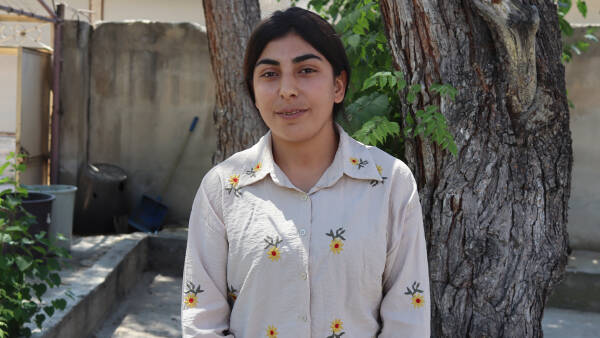
IIham Hami, also from the city of Kobani, said that non-recognition means denying women’s will. “We categorically reject policies that deny the YPJ, because they do not target only a military force; they target the existence and will of women. YPJ fighters are not just an armed force; they represent a stance, a philosophy, and a distinct identity.”
She considered that the Women’s Protection Units are not like other forces; they represent an “intellectual and social project” that reflects the aspirations of women in the region, which makes them an essential part of Syria’s future.
Ilham Hami also affirmed her readiness to join the ranks of the YPJ and participate in the struggle for Syria’s future. “ I am ready to join this force and to be part of the struggle to ensure its future in Syria. We are ready for all circumstances to protect our existence.”
“We reject the policy of denial”
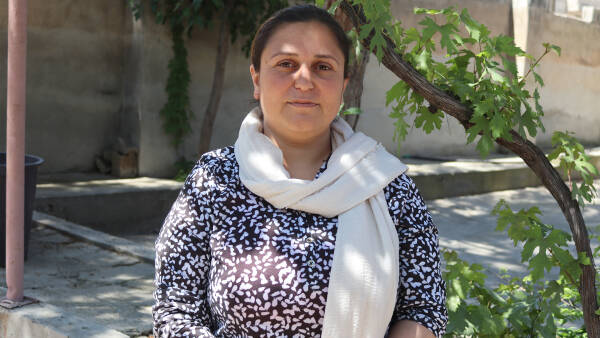
Jihan Mustafa also rejects any attempt to dissolve the YPJ. She says that seeing the fighters of the Women's Protection Units makes the women of the region feel proud and strong, as she puts it, and affirms: "We see our existence in them; they represent our will and reflect the image of all the women of Rojava." She asks: "After all these sacrifices, can any woman accept the abolition of this force?"
Jihan Mustafa stressed the need to preserve the identity of both the Women's Internal Security Forces (Asayish) and the YPJ independently. "We reject the proposal to integrate the YPJ into the Asayish." She explains: "While we appreciate the Asayish and its role, the YPJ has a different identity and entity. Our struggle was for its recognition as an independent force, and it must have its place within the Ministry of Defense." The primary goal, as she affirms, is to protect women's organizational and political independence and to ensure the continuation of their role in various fields of defense and struggle.