
UN reports: Sudan faces one of the world's largest humanitarian crises
UN reports paint tragic picture of Sudan’s deteriorating humanitarian situation, warning of imminent famine, successive displacement waves, and escalating violations against women and girls.
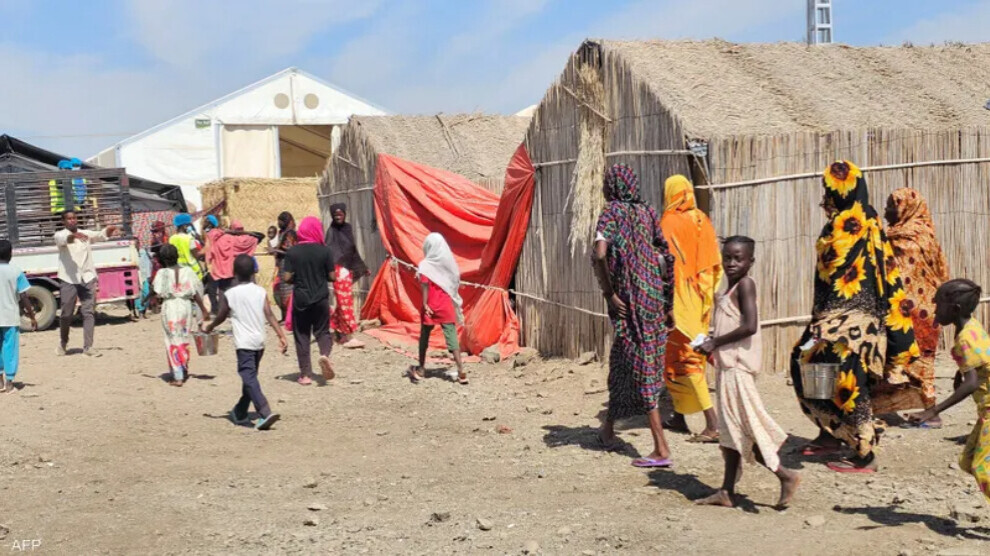
News Center – With the deterioration of basic services and the widening scope of urgent needs, international concerns are growing that the Sudanese crisis could turn into a model of the world's largest humanitarian disasters in recent years.
As the conflict continues and enters its fourth year, international relief organizations face complex obstacles and increasing restrictions that prevent them from providing essential support and aid to millions of people affected by the fighting. According to joint data released by the World Food Programme (WFP), the UN Population Fund (UNFPA), and the UN High Commissioner for Refugees (UNHCR) between May 28 and 30, the conflict in Sudan has gone beyond traditional military confrontations, branching into a complex and severe humanitarian crisis that strongly hits the pillars of food security, healthcare, legal protection, in addition to deepening the refugee crisis and the collapse of basic service sectors in the country.
The WFP confirmed in its report for this May that the food situation in Sudan is worsening as a result of continued fighting, market disruptions, and broken supply chains, making millions of people almost completely dependent on food aid to survive.
According to the latest Integrated Food Security Phase Classification (IPC) analysis, issued in mid‑May, about 19.5 million people – equivalent to two out of every five Sudanese – face acute levels of food insecurity. Among these, about 135,000 people live in catastrophic conditions signaling the risk of famine, especially in 14 hotspots in Darfur and South Kordofan states.
More than 5 million people are classified in the emergency food phase, while about 14 million suffer from crisis levels, with expectations of worsening conditions during the period between June and September 2025, which usually witnesses increased food pressures and difficulties in humanitarian access.
The WFP warned that the upcoming rainy season could isolate new areas and further complicate aid delivery operations, especially in Darfur and Kordofan, which remain the most vulnerable to deteriorating food security due to the ongoing conflict and worsening economic conditions.
WFP Executive Director Cindy McCain stated that hunger and malnutrition are currently threatening millions of lives, affirming the need for additional funding to ensure the continuity of humanitarian operations and access to the most vulnerable groups.
One of the largest crises
The UNFPA also warned in its report of the continued deterioration of the situation of women and girls, describing the Sudanese crisis as one of the largest humanitarian crises in the world, explaining that women and girls face increasing risks related to gender‑based violence and sexual violence, amid declining opportunities to access basic healthcare and protection services.
It noted that large numbers of pregnant women find difficulty accessing medical care, while women and children constitute the largest proportion of displaced people living in extremely difficult humanitarian conditions. It pointed to a large funding gap that limits its ability to meet growing needs, explaining that available resources remain far below the required humanitarian needs for the current year.