
UN warns of health disasster as military operations expand in Gaza
Gaza’s humanitarian crisis worsens as Israel plans to expand field control to 70% of the Strip; UN organization warn this will increase children’s suffering amid overcrowding and deteriorating basic services.
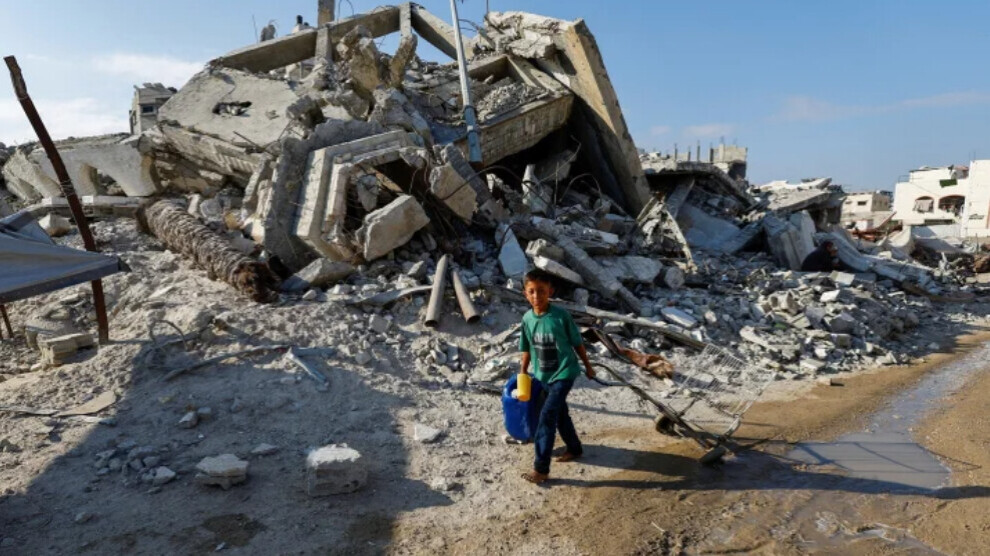
News Center – Residents of Gaza are facing fluctuating field conditions amid a military expansion that constricts civilians and increases the fragility of daily life, while fears escalate over the worsening humanitarian burdens on the besieged population.
The United Nations warned yesterday, Saturday, May 30, that Israel's plan to expand its control within the Gaza Strip to reach 70% of its area will exacerbate the suffering of children, who already face the effects of severe overcrowding in the remaining areas.
The UN warning came after the Israeli Prime Minister ordered his forces to proceed with expanding field control, despite the continued operation of the fragile ceasefire that has been in place since October 2025.
He explained that his forces now control 50% of the Strip under the ceasefire agreement, before advancing to 60%, adding that his new directives aim to reach 70%. This prompted UNICEF to issue a warning that the Israeli step will exacerbate the health crisis among children in the already devastated Palestinian Strip, which suffers from shortages of food, water, and personal hygiene supplies.
Continued deterioration of the humanitarian situation in Gaza
The UNICEF spokesperson pointed out that Gaza, even before the war began, was one of the most densely populated places in the world, adding that the population is crammed into about 40% of the remaining area, taking refuge among destroyed buildings, rubble, and accumulated solid waste.
He affirmed that there is no longer any space available for waste disposal, noting that the effects of this are now clearly reflected, as children suffer from respiratory infections, acute diarrhea, the spread of skin diseases, as well as fleas, lice, and scabies, which have become common. He confirmed that many cases of rodent bites on children, even infants, have been recorded after rodents infiltrated the tents and shelters housing hundreds of thousands of displaced people.
The UN official said that the number of children who have become in need of hospitalization has begun to increase, at a time when there is no fully functioning hospital anywhere in the Gaza Strip, describing the situation as catastrophic.
He noted that overcrowding contributes to the spread of diseases, puts pressure on systems, and naturally leads to the reduction of services. He affirmed that if Israel proceeds to take control of more land, such a step would prevent access to some service points, as well as to hard‑to‑reach areas where families and children live.
Despite the ceasefire agreement being in effect, the Gaza Strip continues to witness daily acts of violence. According to the Gaza Ministry of Health, more than 900 people have been killed in the Strip since the announcement of the ceasefire agreement. These figures indicate the continued deterioration of the humanitarian situation despite the fragile truce, which requires close monitoring by relevant international bodies.