
Detention of female lawyers in Hama sparks widespread controversy within legal circles
Detention of female lawyers inside Hama’s Justice Palace sparked controversy after sectarian interrogation phrases circulated, with no official explanation from judicial authorities.
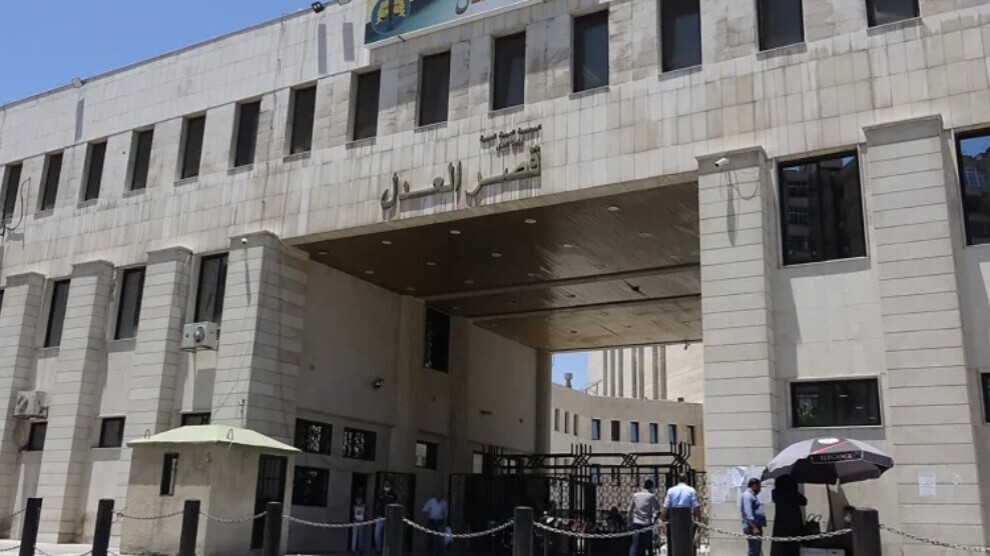
News Center – Allegations of judicial abuses have sparked widespread controversy in human rights circles following reports of practices that violate the principle of equality and threaten the sanctity of the legal profession in the city of Hama, after a number of female lawyers were detained under circumstances described as unusual.
Tensions prevailed inside the Justice Palace in Hama following a series of controversial arrests and procedures targeting several female lawyers, sparking anger in legal and human rights circles. Warnings have increased about the growing influence of unofficial entities within judicial facilities at the expense of established laws and regulations.
According to the Syrian Observatory for Human Rights, the controversy erupted after a person named "Abu Al-Shaima" arrested a lawyer named Faten Daaboul inside a café in the Justice Palace and filmed the incident, which lawyers considered evidence of the chaos and abuses plaguing the judicial institution in the city.
Faten Daaboul was later transferred to judicial inspection, before she was detained along with three other female lawyers: Dawla Ibrahim, Rim Issa, and Maryam Ibrahim.
According to consistent accounts published by Syrian human rights platforms, the four female lawyers were subjected to interrogation sessions that included questions and comments of a sectarian nature, including inquiries about why they represented clients from the Sunni sect. Human rights advocates considered this behavior a violation of the principle of equality before the law and an infringement on the sanctity of the legal profession.
In parallel with the incident, legal sources reported additional arrests targeting a number of female lawyers, some of whom were subsequently referred to judicial inspection. Reports from within legal circles indicate that the investigation and interrogation sessions included questions considered provocative, along with the use of phrases carrying sectarian connotations and an affront to social affiliation, further escalating tension and resentment inside the Justice Palace.
These developments have raised a wave of questions within Syrian human rights circles about which party actually has the authority to carry out arrests inside the Justice Palace premises away from official channels. Questions have focused on the motives that allow the use of sectarian and provocative language during procedures that are supposed to be subject to strict judicial standards, at a time when debate is increasing over the absence of the Bar Association's role in protecting its members and intervening to stop these abuses and preserve the dignity of the profession.