
Afghanistan…a country that has been paying the price of migration for decades
For decades, Afghanistan's continuous migration crisis has forced millions to flee war, poverty, and political turmoil. Each internal change renews displacement, burdening the country and deepening its people's suffering.
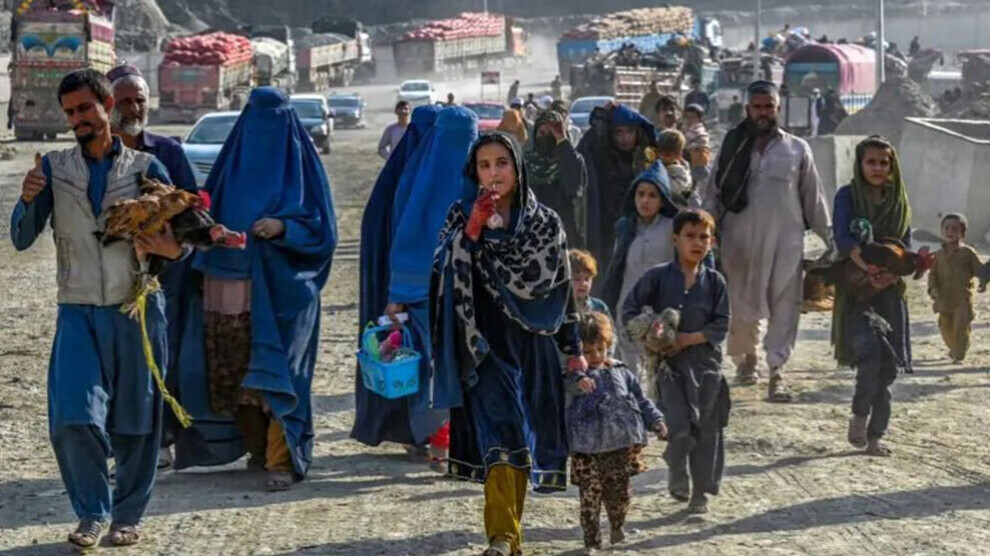
Baharan Lahib
Afghanistan- One of the longest and most complex migration crises in the world continues in Afghanistan. Migration here is not merely a transient human movement, but a story spanning decades, where war intertwines with poverty, politics with climate, and despair with the search for a safer, more dignified life. Millions of Afghans have lefe their country, some fleeing death, others escaping an unknown future.
Since the 1970s, insecurity has remained the most influential factor driving Afghans to migrate. After the coup of April 27, 1978, and then the Soviet invasion of 1979, migration turned from a limited phenomenon into mass forced displacement. Families left in searchof survival, after war became part of daily life.
A collapsed economy pushes people to leave
Over time, war was no longer the sole driver of migration from Afghanistan. The acute economic collapse, rising unemployment rates, and the absence of any job opportunities – especially after 2021 – pushed thousands of young people to take dangerous migration routes in search of a livelihood that would guarantee a minimum decent life.
Before these profound transformations, a limited number of Afghans left the country for education or trade. But as security and economic conditions worsened, migration turned into an emergency option to survive both war and poverty. Alongside this, increasing social and political restrictions, particularly those imposed on women, emerged as another key factor pushing families to leave. Depriving women of education, work, and public participation made many families see migration as the only way to secure a better future for their daughters.
Climate change also deepened the migration crisis, as successive droughts hit vast areas of the country, water sources declined, and agricultural land deteriorated. This environmental collapse pushed thousands of rural families to leave their villages after losing their only source of livelihood.
For many Afghans, migration has become a word associated with pain and loss. Over the past decades, with every political or military shift, new waves of displacement formed, as millions headed toward Iran and Pakistan, or toward European countries and the United States in search of safety.
During the internal factional war between 1992 and 1996, Kabul turned into one of the most devastated cities. In those years, migration was not an option to improve life but a necessity to protect human dignity and preserve life itself.
With the Taliban's seizure of power on September 27, 1996, a new wave of displacement began, especially after widespread killings in Mazar‑i‑Sharif, Bamyan, and northern Kabul, forcing thousands of families to flee toward the Pakistani border in harsh conditions lacking water and food.
In 2001, with the entry of US forces and the formation of a new government, the country witnessed a period of relative improvement. Between 2002 and 2005, hundreds of thousands of migrants returned from neighboring countries and even from Europe, in one of the largest voluntary returns in the world. According to a 2012 UNHCR report, more than 5.7 million Afghans returned during that period.
But this stability did not last long. From 2014 onward, with the escalation of suicide attacks, explosions, rising crime rates, and kidnappings, a new wave of migration began.
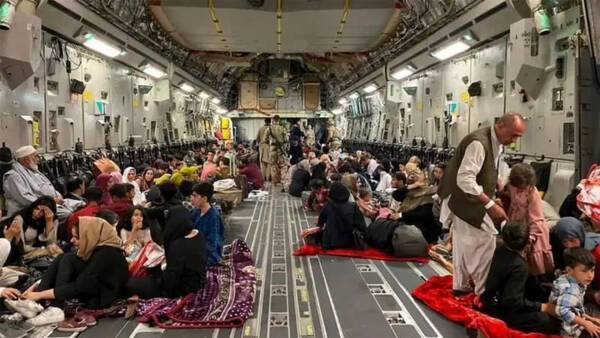
Then came the major turning point in 2021, with the Taliban's return to power. In the first days of Kabul's fall, thousands of citizens flocked to the airport in a desperate attempt to leave the country. The overcrowding and explosion there resulted in the death and injury of dozens, including women and children. Evacuation operations via US military flights continued for weeks, during which a large number of Afghans were transferred to various countries, especially the United States.
According to a March 2025 report by the US Congressional Research Service (CRS), thousands of Afghans who were transferred to the United States are still living in temporary residency status, facing an uncertain and unstable future.
Widespread deportation of migrants from Iran and Pakistan
For decades, Iran and Pakistan were the primary destinations for Afghan migrants, hosting millions fleeing war, poverty, and instability. However, recent years have seen a sharp shift in both countries' policies toward them, adopting stricter measures that led to widespread deportation waves.
A November 2023 report by the International Organization for Migration (IOM) showed that more than 1.3 million Afghans were returned from Pakistan within one year, with a large portion of this return being forced. In the same context, the UNHCR warned in a June 2024 report of a sharp increase in the rate of migrant returns from Iran, with some days recording more than 10,000 people crossing through the Islam Qala border into Afghan territory.
This mass return comes at a time when Afghanistan lacks the capacity to absorb this huge human flow. The absence of shelter, lack of job opportunities, and weak basic services leave returnees facing a suffocating humanitarian crisis, exacerbated by the fragile security and political situation inside the country.
Threat of deportation
Concern over Afghan migration is not limited to neighboring countries but extends to Europe and the United States, where thousands of Afghans live in unstable legal situations. In several European countries, rejection rates for asylum applications have risen in recent years, putting many migrants at risk of deportation.
Human Rights Watch warned in a February 2024 report that returning Afghans to a country under the control of the Taliban – an armed group that has committed widespread human rights violations – could expose them to the risk of persecution and ill‑treatment.
In the United States, the status of thousands of Afghans transferred after the 2021 events remains unresolved. They live under temporary residency, amid uncertainty about their legal and social future.
Return to an unsafe country
Returning to Afghanistan is not the end of the migration journey but the beginning of a new phase of risks. Numerous reports have documented interrogations, surveillance, and threats targeting returnees, especially those who worked with international entities or lived abroad for long periods.
Despite the Taliban's claim to have provided security, many testimonies indicate the opposite. Women and civil activists face severe restrictions and constant fear of repression, in addition to poverty, unemployment, and the absence of any opportunities for a dignified life.
Returning children fall into a cycle of education deprivation. UNICEF warned in its January 2025 report that millions of children in Afghanistan are out of school, and the forced return of migrants worsens the situation.
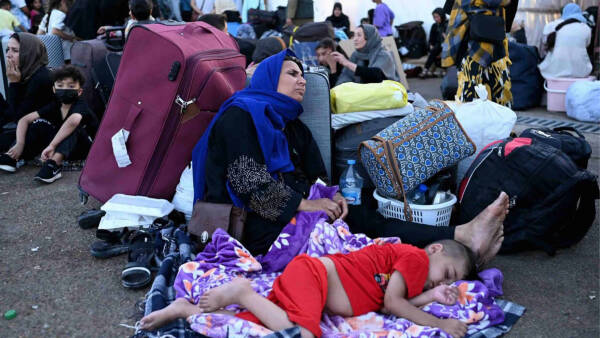
Despite welcome banners for returnees in the streets of Kabul and several provinces, local and international reports reveal dozens of arrests and killings of former security personnel, civil activists, and journalists, amid clear attempts to hide these violations from public opinion.
Dangerous migration routes
The migration routes taken by Afghans are among the most dangerous in the world. Human smuggling networks, crossing unsafe borders, and life‑threatening dangers in deserts, mountains, and seas are all part of the harsh reality migrants face. Many lose their lives before reaching their destination, while others live for years in fragile legal situations in destination countries, with no clear protection or guaranteed future.
The Afghan migration crisis is rooted in a complex mix of internal and external factors. Ongoing war, worsening poverty, political instability, severe social restrictions, in addition to the strict policies of some host countries – all these elements intersect to fuel successive waves of migration.
This crisis cannot be addressed without a comprehensive approach that tackles its root causes. A sustainable solution begins with establishing peace, improving the economic situation, and ensuring human rights inside Afghanistan. Without that, the cycle of migration and forced return will continue, and millions of Afghans will remain searching for a safe and dignified life outside their homeland.