
Internatiional warnings of imminent famine in southern Somalia
Two international food security monitoring bodies have revealed that areas in southern Somalia face the risk of famine, after one region reached unprecedented levels of hunger since 2022.
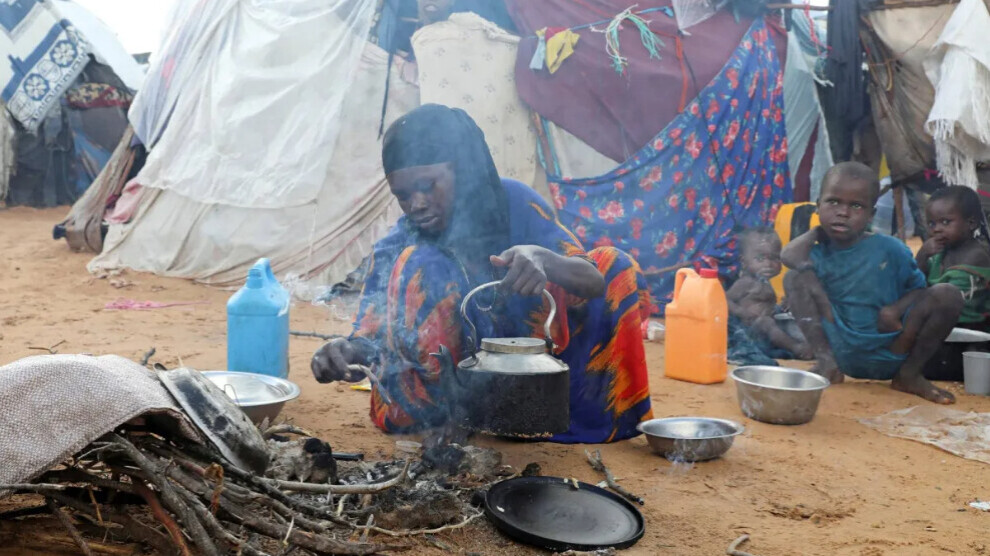
News Center – Humanitarian concerns are growing in southern Somalia with new indicators of worsening hunger in several rural areas, as the country witnesses a decline in agricultural production and rising food prices.
Two international food security monitoring bodies announced yesterday, Thursday, May 14, that areas in southern Somalia are now threatened by famine, while one region has reached a level of hunger unprecedented since 2022. Somalia is among the world's most food‑insecure countries due to recurrent drought, conflicts, and poverty. The last famine occurred in 2011 when about 250,000 people died, and the country came close to facing new famines in 2017 and 2022.
The current crisis is exacerbated by declining foreign aid and the effects of the US‑Israeli war on Iran, which hinders efforts to address food shortages resulting from several seasons of poor rainfall and ongoing insecurity.
According to a report by the Integrated Food Security Phase Classification (IPC), which is supported by the UN, more than 37% of children in Bur Hakaba town in the Bay region of southern Somalia, which has a population of about 200,000, suffer from acute malnutrition.
The report explained that the IPC analysis showed that Bur Hakaba town faces the risk of famine in the worst‑case scenario, which includes a lack of rainfall during the "Gu" season (April to June), in addition to rising food prices and lower‑than‑expected levels of humanitarian food security assistance.
Famine occurs when at least 20% of households in an area face an extreme lack of food, at least 30% of children suffer from acute malnutrition, and two out of every 10,000 people die daily from hunger.
The Famine Early Warning Systems Network (FEWS NET), a body focused on early warning of hunger crises, said in a statement that the most likely scenario assumes that seasonal rains will improve enough to temporarily stabilize conditions, but there is a plausible alternative scenario involving low rainfall, leading to another decline in crop yields.
The IPC report estimated the number of Somalis facing crisis levels of food insecurity or worse at about six million people. Although this figure is lower than the February estimate of 6.5 million, it remains higher than the previous forecast of 5.5 million, due to a worse‑than‑expected rainy season.
The reduction in foreign aid has led to a significant decline in the volume of support directed to Somalia. The report noted that humanitarian aid provided in recent months has seen a notable increase, but it still covers only 12% of those in need who are facing crisis levels of food insecurity or worse