
Syrian Women and Shaping the Future.
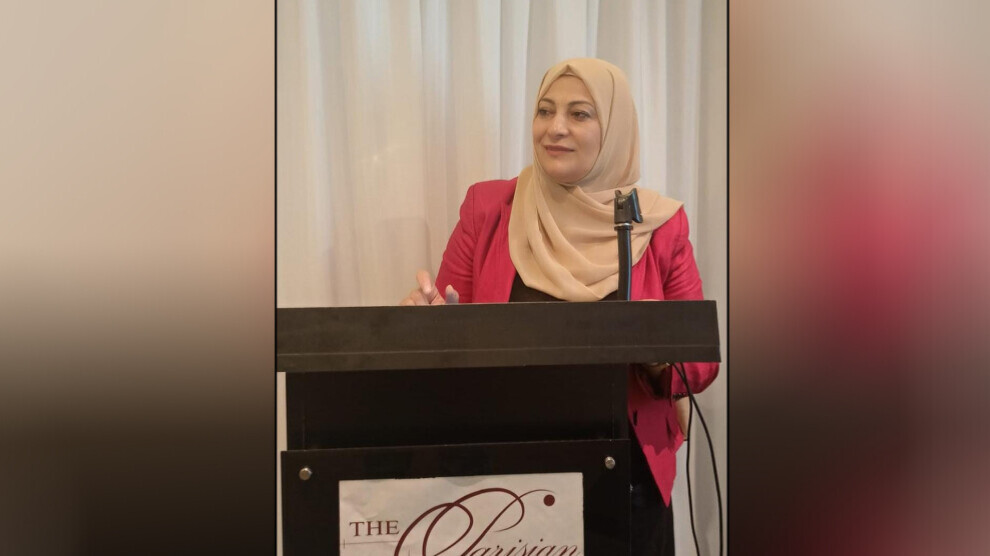
An article by Jinology Academy member and social activist Mahasen Madlallah
As we all know, Syrian women do not form a single entity with a unified vision. The diversity of opinions and perspectives regarding Syria’s future is natural and reflects the complexity of the Syrian experience itself, along with its multiple political, social, and economic trajectories. However, this diversity does not negate the existence of deep common ground where the experiences of Syrian women intersect—both inside the country and in host countries.
During my stay in Lebanon, these shared concerns became evident through direct meetings and long discussions that reflected the magnitude of the challenges, while also revealing strong hope and determination. Large numbers of Syrian women continue to bear the full responsibility of supporting their families after losing a husband, father, or brother, or due to detention, enforced disappearance, or forced migration. They carry out this role amid one of the worst humanitarian crises the world has witnessed in recent decades, where job opportunities have declined, livelihoods have eroded, and poverty rates have risen to unprecedented levels.
Despite this, women have not stopped striving to secure a minimum level of dignity for their families, relying on informal work, limited humanitarian aid, or fragile social solidarity networks. Personal security remains a daily concern for Syrian women amid widespread violence, weakened rule of law, and the breakdown of traditional social structures. Early and forced marriages continue—and in some contexts are even increasing—as a coercive response to economic hardship and fear of the future. This further deepens girls’ vulnerability, depriving them of education, freedom of choice, and full participation in society.
In addition, many Syrian women endure compounded pain due to the loss of loved ones—whether killed, missing, or detained. This pain is renewed in the absence of truth and justice and with prolonged waiting, turning grief into a permanent condition. Despite this heavy psychological and emotional burden, women continue to manage daily life, raise children, and preserve the cohesion of families and local communities.
The women I met in Lebanon came from diverse regions, backgrounds, and affiliations. While their experiences differed, they were united by a deep sense of responsibility toward Syria and its future. They all expressed great hope, boundless energy, and a clear commitment to building a better Syria—one based on justice, equality, and human dignity. They affirmed their strong desire to be part of shaping their country’s future, not merely as recipients of decisions.
Many told me they want a real seat at the decision-making table, emphasizing that they have much to offer in terms of experience, knowledge, and lived realities. They made it clear they will no longer accept exclusion, marginalization, or gender-based discrimination. They are preparing for the day when they will be among the architects of Syria’s economic, social, cultural, and political revival—because they have earned that right and paid a high price for it.
Syrian women seek to end violence, discrimination, and insecurity while also working to overcome the divisions that have torn Syrian society apart. They understand that achieving this requires rebuilding trust, repairing the social fabric, and moving toward a new social contract based on equal citizenship, rule of law, and respect for human rights. They emphasize the need for a professional security sector that protects all citizens without discrimination, operates under the law, and is subject to accountability. They also call for justice grounded in due process—not revenge or impunity—recognizing that true security cannot exist without justice.
Women also stress the vital role of civil society, feminist activism, and women’s organizations in recovery and reconstruction, in monitoring public performance, and in defending the rights of marginalized groups. They consider civil society an indispensable pillar for any genuine and sustainable political transition.
Syrian women aspire to comprehensive social renewal that leads to national reconciliation and social cohesion, restores values of solidarity and shared responsibility, and lays the foundation for lasting peace—peace that is not merely the absence of violence but is rooted in justice, dignity, and participation.
Effective political, economic, and civic participation of women must be systematically strengthened through clear policies that ensure broader access to decision-making positions. Women are not merely victims of conflict; they are key actors and builders of Syria’s future. Throughout history, Syrian women have defended their country, demonstrating sacrifice, courage, and a deep commitment to justice and equality. Many have risked their lives, and some have paid the ultimate price in defense of human rights and dignity.
In these difficult times, many search for words that match the scale of pain and loss. Yet what matters most today is holding onto hope and collective commitment to rebuilding a better present and a brighter future. Despite all challenges, Syrian women continue to look forward, focusing on what can be built rather than what has been destroyed.
Today, the collective responsibility to ensure women’s active participation across all national and political processes is renewed. Syrian women strive for a future where years of conflict lead to a new reality that enshrines political participation and respects the contributions of all Syrians.
Reflecting on the profound impact Syrian women have had throughout history makes it essential to honor their courage and recognize their central role. They remind us that the path to peace is built by those who dare to dream of a homeland where women have a full place at the decision-making table. Together, Syrian women will continue—with strength and courage—to shape a more inclusive and humane future for the Syria they envision.
As Amelia Earhart once said, “The hardest thing is the decision to act; the rest is merely perseverance.” This quote perfectly captures the journey of Syrian women who chose action despite all risks and continue to persevere for a country worthy of life.
Expanding on the economic dimension of Syrian women’s experience highlights the need to recognize their central role in maintaining minimal family and community stability. Many were forced to enter new fields of work previously unavailable to them, often under harsh and unstable conditions without legal or social protection.
Nevertheless, they developed innovative coping mechanisms, relied on available skills, self-learning, and local women’s support networks that served as informal alternatives to absent protection systems. However, deep economic vulnerability persists and requires comprehensive policies that recognize women’s work, ensure protection and dignity, facilitate transition to the formal economy, expand training opportunities, improve access to microfinance, and support productive women-led initiatives. Economic empowerment cannot be separated from education and vocational training, nor from ensuring girls’ access to schools and universities.
In the area of transitional justice, Syrian women emphasize the need for a comprehensive approach that places victims at the center, ensuring truth, accountability, reparations, and guarantees of non-repetition. They stress that the absence of justice not only prolongs suffering but also undermines reconciliation and fuels new cycles of violence. Women’s participation in designing and implementing transitional justice mechanisms is essential to ensure inclusivity and gender sensitivity. They also highlight the importance of addressing violations specifically experienced by women, including gender-based violence, economic marginalization, and political exclusion.
Women further stress that security sector reform must be an integral part of any successful transition. Their inclusion—whether in decision-making roles or through civilian oversight—contributes to building more professional and responsive institutions.
In the realm of civil society, Syrian women have played a leading role by establishing and managing local initiatives and humanitarian, rights-based, educational, and health organizations that filled the gaps left by weakened state institutions. Throughout the conflict, these initiatives often served as the first line of defense for human dignity and social peace. Experience has shown that women possess a strong capacity to build trust, work across divisions, and manage local conflicts peacefully—making support for their leadership a strategic priority.
Politically, Syrian women face structural and cultural barriers that limit their participation despite their competence and experience. Overcoming these challenges requires legal reforms ensuring equality and equal opportunities, alongside long-term awareness efforts to reshape societal perceptions of leadership. Temporary special measures such as quotas can accelerate women’s participation, provided they are accompanied by capacity building and a safe, supportive political environment that respects pluralism and rejects violence and exclusion.
The cultural dimension is equally significant. Women have played a central role in preserving collective memory and expressing pain and hope through literature, art, music, and theater. They have used culture as a tool for peaceful resistance and for articulating aspirations for freedom and dignity. Recognizing and supporting this cultural role is essential for recovery and rebuilding national identity on inclusive foundations.
In conclusion, Syria’s future cannot be built without the full and active participation of Syrian women across all sectors and levels. They are not merely half of society; they are a driving force for change and a cornerstone for building a just, capable, and inclusive state. Empowering women is a national and strategic choice—and a prerequisite for peace, stability, and development. Any path that ignores this role is destined to fail.
International experience in conflict and post-conflict contexts demonstrates that societies excluding women from decision-making pay a high price in stability and development. Sustainable peace requires women’s inclusion. Syrian women, with their experience, knowledge, and deep connection to society, are indispensable to any comprehensive national project. Supporting their participation requires clear political will, long-term institutional commitment, and genuine partnership with the international community based on respect and empowerment—not guardianship.
Although the road remains difficult, Syrian women continue their struggle for a dignified life, for building the future, and for preserving the Syria that future generations deserve.