
Male dominance hinders female journalists from reaching positions of political influence
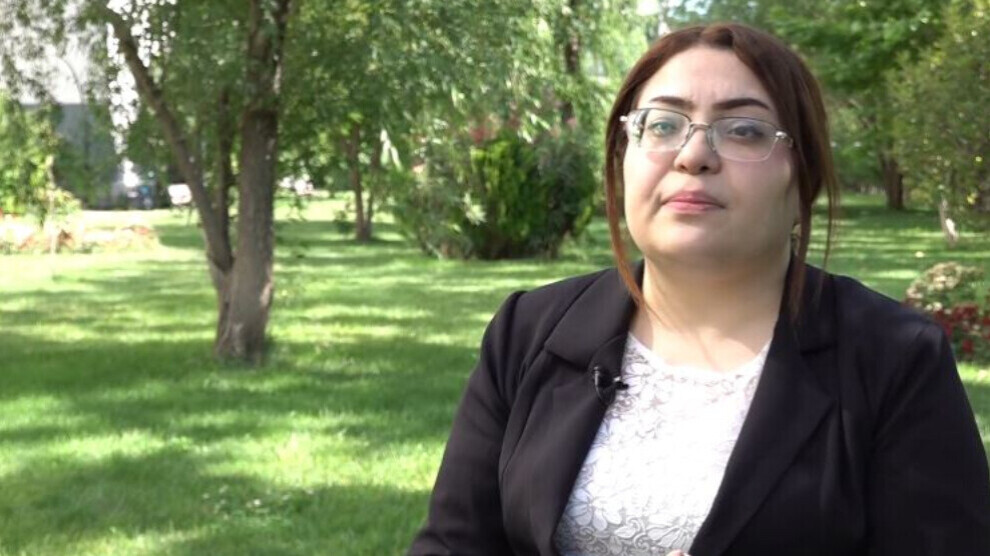
Soma Khalid: women deprived of managing political programs due to belittling and lack of support; their presence in politics and decision making remains limited despite urgent need for active participation.
Diren Rahim
Sulaymaniyah _ Women face many obstacles in most areas of life. Despite the progress and increase in the number of female journalists within media institutions, they are still viewed as merely a secondary element and are not allowed to participate in sensitive issues or advance in their professional careers. For example, political programs are managed by men, or women’s roles are confined to presentation and preparation only.
In this context, journalist Soma Khalid spoke about the role and responsibility of female journalists, their work in the political field, and the importance of paying attention to women's issues, pointing out the social and political obstacles women face.
She said that society is male‑dominated and capitalist, so if a woman is given a position, a man must object, because men support their own gender more. At the same time, choosing journalism as a profession is socially considered difficult, yet women are ready to bear all these difficulties and face challenges within institutions and society.
She noted that most media outlets do not rely on women's strength and competence, nor do they believe in their ability to appear in political files or in decision‑making positions within institutions. She added that a large percentage of women have proven their presence in various fields and have contributed to the development of institutions.
In media institutions, women are listened to only to a small extent, and female journalists are treated as if they were merely a secondary element, while political talk is monopolized by men. Behind this reality lies a deeper problem related to the structure of political institutions themselves, which do not give women real space to participate.
Women's participation in politics remains low
Soma Khalid affirmed that efforts must be made to give women equal opportunities with men within institutions, and that they must have access to political and media positions. She pointed out that political oversight within media institutions is weak, and that women must break the social and cultural barriers that prevent them from entering the political field and showing their true role.
She explained that political issues within society have affected all sectors of life and linked various problems together, noting that women and men should be viewed equally within institutions. She noted that the percentage of women's participation in politics and decision‑making remains low, despite the fact that they are capable of making a real impact in society.
She pointed out that women who think with a conscious mind and pursue their rights often have opportunities withheld from them, because many women themselves make decisions under the influence of the prevailing male structure that has shaped their cultural and social awareness. Moreover, some of them work according to the path imposed by male policies within media institutions, which limits their ability to show their true vision or practice their professional role independently.
Awareness must be raised and women given a real opportunity
Soma Khalid stressed the need to take concrete steps to empower women and highlight their strength and ability, affirming that women who have reached important positions in media institutions have proven great success.
She believes that the presence of women in decision‑making positions contributes to directing society toward a better path, and turns media into a voice for marginalized groups and a tool for raising awareness and reducing violence. However, achieving this requires continuous work and struggle within media institutions to give women a real opportunity to show their role.
She believes that real change must begin from the stage of upbringing, as Middle Eastern society is accustomed to raising children according to beliefs that distinguish between what is "permitted" and what is "for men only." She noted that this pattern of upbringing entrenches comparisons that place the weight of responsibility on women and push them to advance cautiously within sensitive fields. Moreover, the accumulation of social problems facing women makes bearing responsibilities more difficult and complex.
In conclusion, journalist Soma Khalid affirmed: "In the future, we must have female journalists specialized in political affairs, who will work to reshape the political scene in a better way and achieve clear goals."